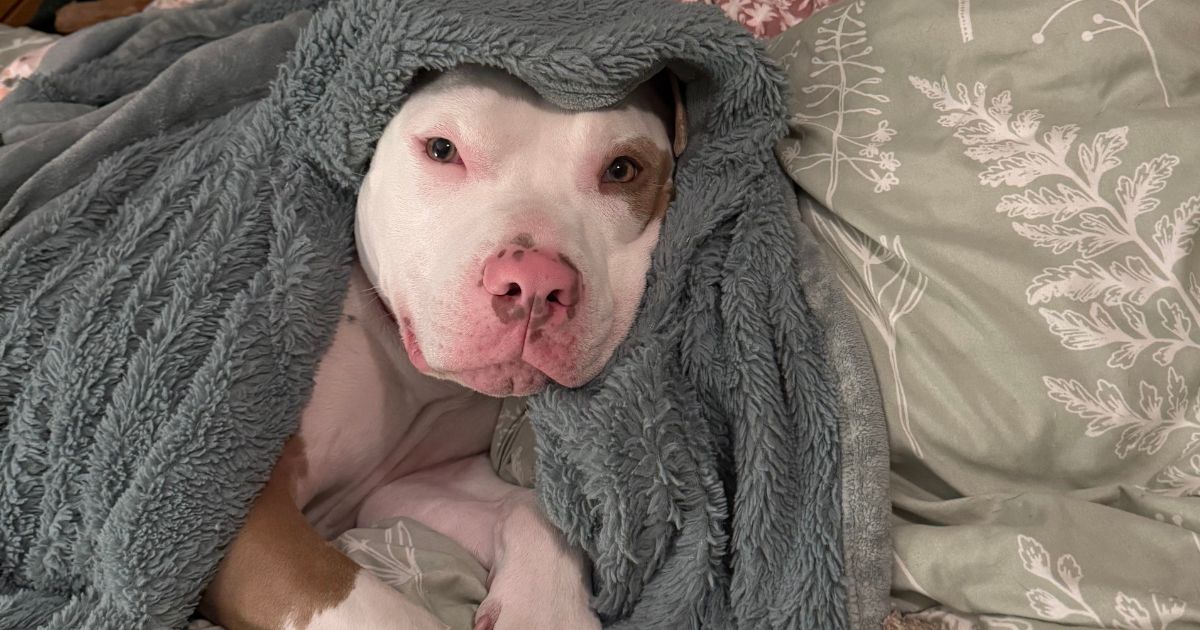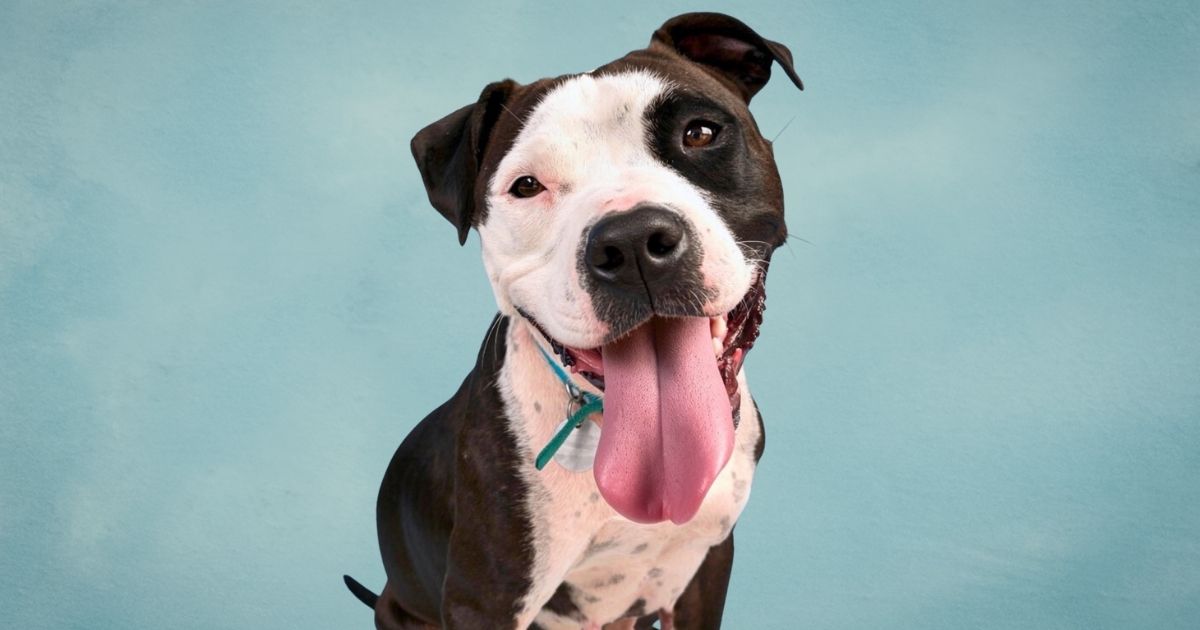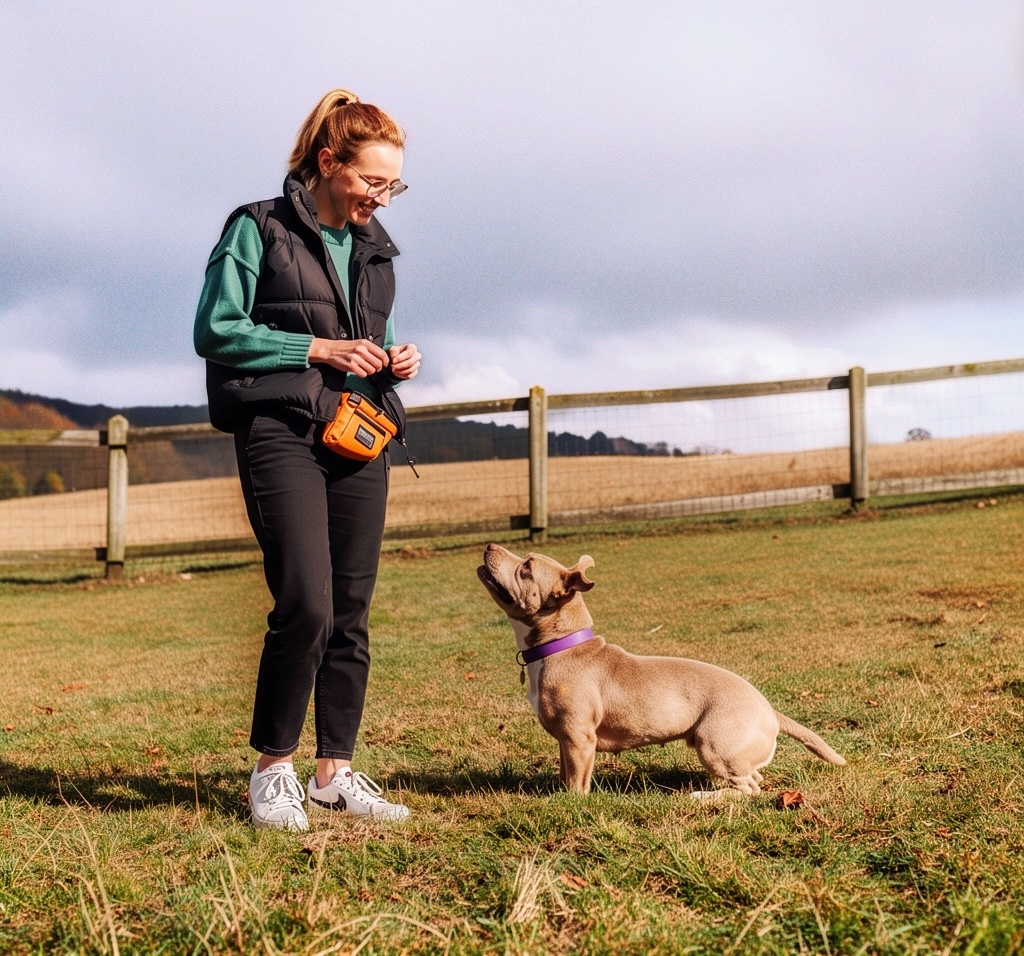
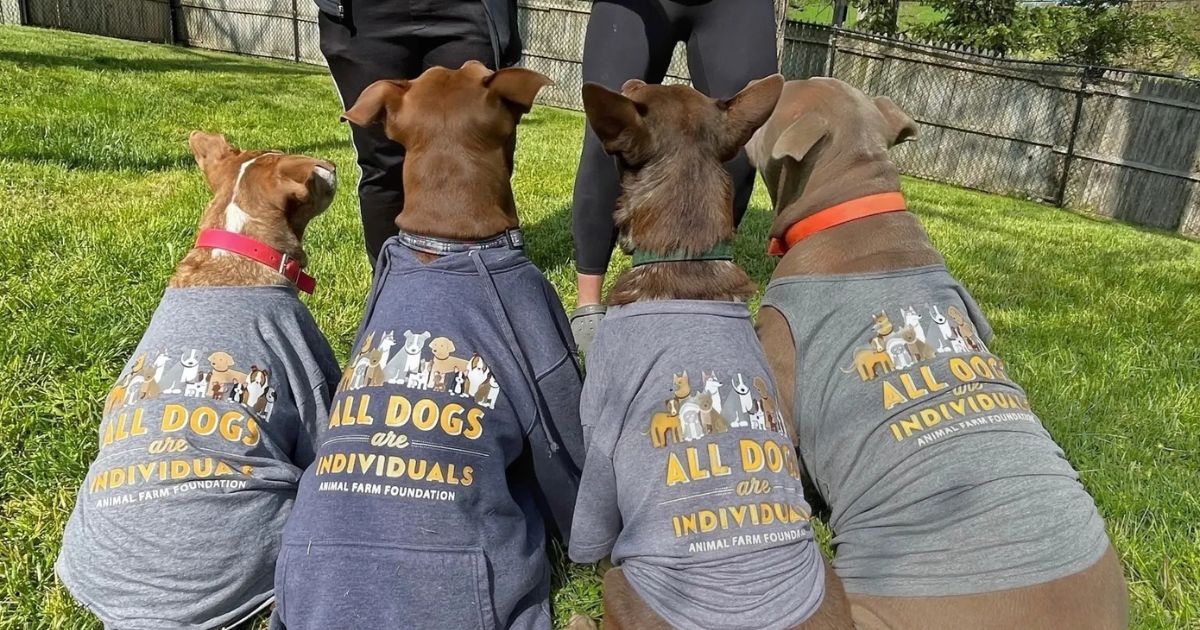
Animal Farm Foundation supports dogs labeled “pit bulls” and the families who love them. We also recommend that shelters stop using breed labels altogether.
Understanding how those positions work together requires looking at what we’ve learned about breed labels and why discrimination based on appearance persists.
"Our work isn't about elevating one type of dog over others. It's about ending discrimination in animal welfare."
Our History
Animal Farm Foundation was founded in 1985 as a horse rescue. We shifted focus to dogs when our founder, Jane Berkey, adopted a dog from a local shelter and experienced discrimination firsthand. People made assumptions about her and her dog based solely on the “pit bull” label.
But Jane’s experience was part of something much larger. The 1980s and 1990s saw a surge in sensationalized media coverage about dogs labeled “pit bulls.” Breed-specific legislation spread rapidly. Dogs rescued from cruelty situations, particularly fight busts, were routinely euthanized regardless of their individual temperament.
Our original mission focused on American Pit Bull Terriers facing this discrimination. We took in dogs from cruelty cases when most were being destroyed. As we worked with these dogs, something became clear: many weren’t American Pit Bull Terriers at all. The label was being applied broadly based on physical features, regardless of actual heritage.
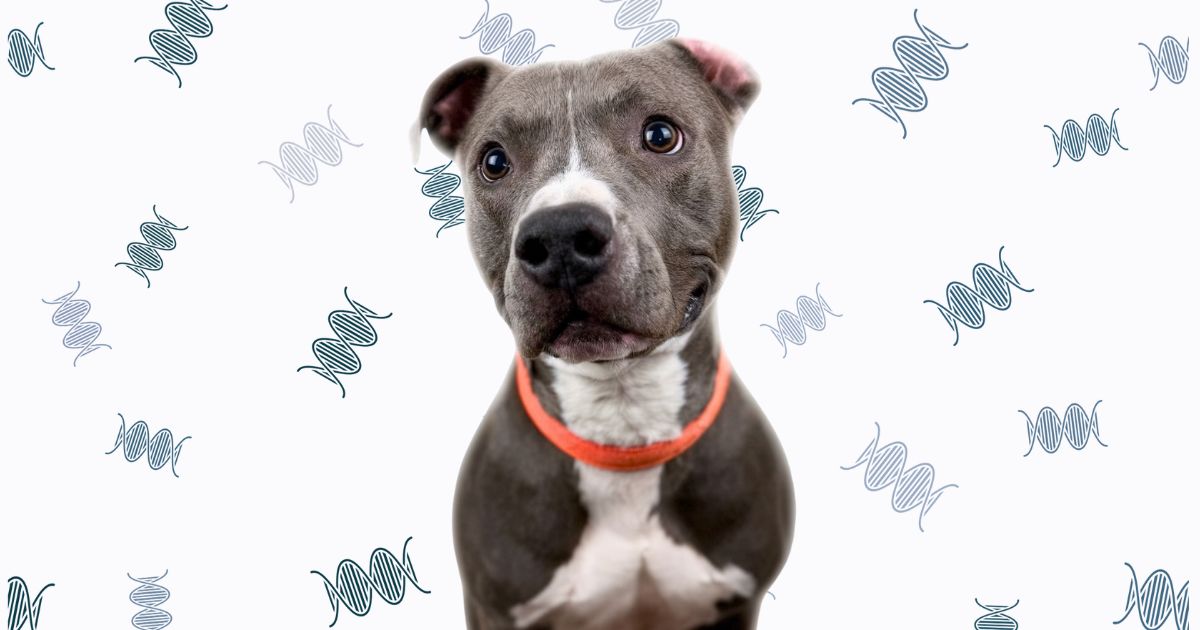
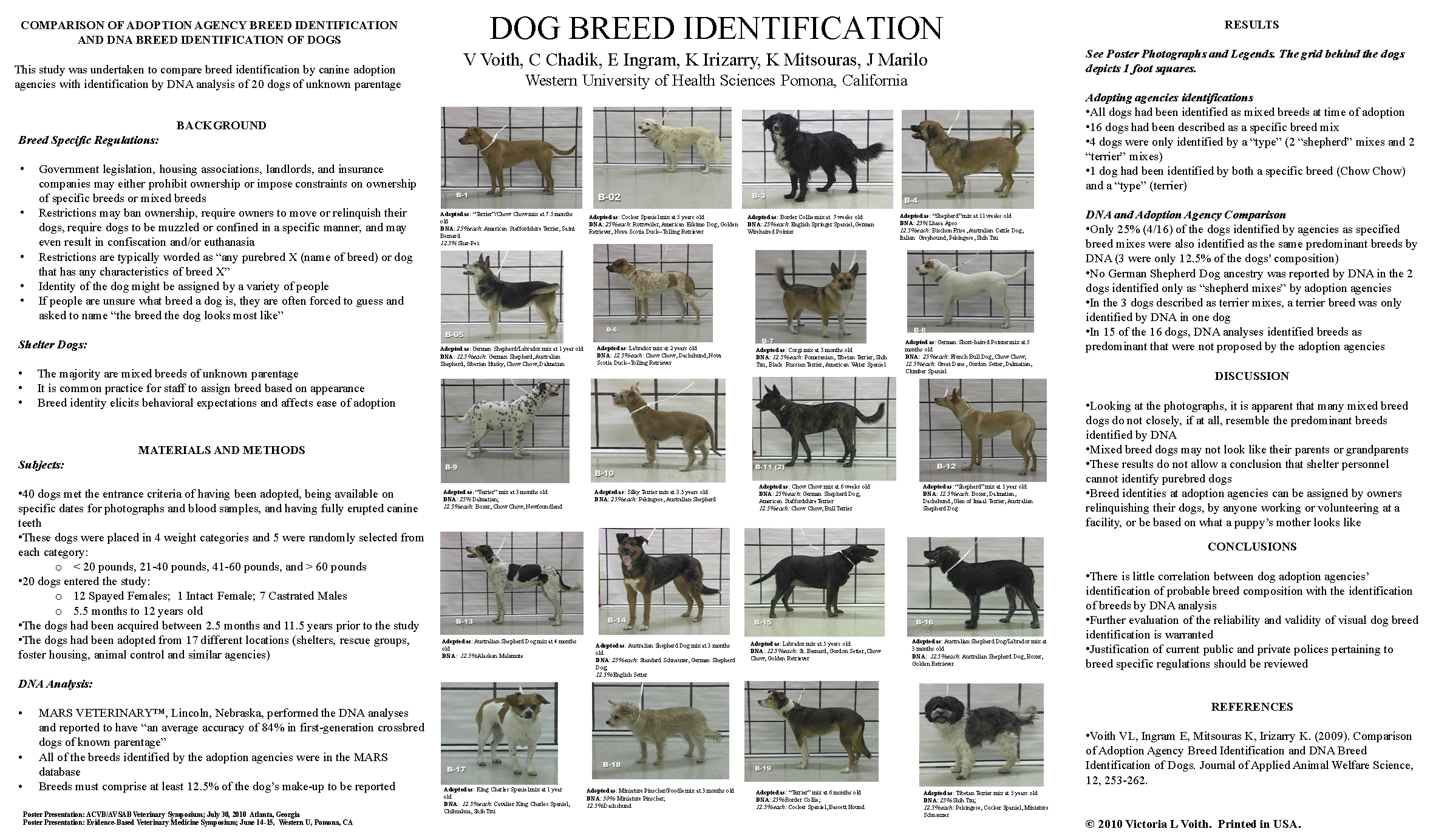
This realization deepened through our work with Dr. Victoria Voith and her research on visual breed identification. Dr. Voith’s studies showed that even experienced shelter workers and veterinarians couldn’t reliably identify dog breeds through visual assessment. Her DNA research revealed that breed labels bore little relationship to dogs’ actual genetic makeup.
Then came a turning point. When dogs were rescued from a high-profile cruelty case in 2007, they were evaluated as individuals instead of automatically euthanized. Nearly all were deemed safe for rehabilitation, adoption, or sanctuary care. They became family pets, therapy dogs, and canine ambassadors. That shift reinforced Dr. Voith’s research: treating dogs as individuals led to better outcomes.
Our understanding evolved. What began as a mission focused on American Pit Bull Terriers became a broader effort to support all dogs labeled “pit bulls” and challenge the flawed system of visual breed identification. The discrimination wasn’t about genetics. It was about appearance, assumptions, and policies built on unreliable information.
The Problem with Labels
The “pit bull” label doesn’t have a standard definition and research has consistently shown that multiple people looking at the same dog will identify different breeds, and there’s no genetic agreement on what counts as a “pit bull.”
Once a dog gets labeled “pit bull” in a shelter, that label shapes everything:
- How adopters perceive the dog before meeting them
- Whether certain housing will be available
- Insurance costs and coverage
- In some communities, whether that dog is even allowed to live there
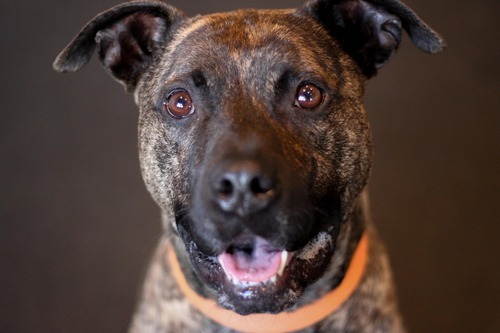
The label is an educated guess that’s often inaccurate, and yet dogs wait longer for homes and families navigate unnecessary obstacles because of unreliable information.
Additional research has demonstrated that when shelters remove breed labels and focus on observable traits (behavior, personality, activity level, what a dog enjoys), adoptions increase. Dogs get matched to homes based on who they are rather than what someone guessed they might be. This helps every dog, not just those who might be labeled “pit bulls.”
Why We Still Focus on "Pit Bull" Dogs
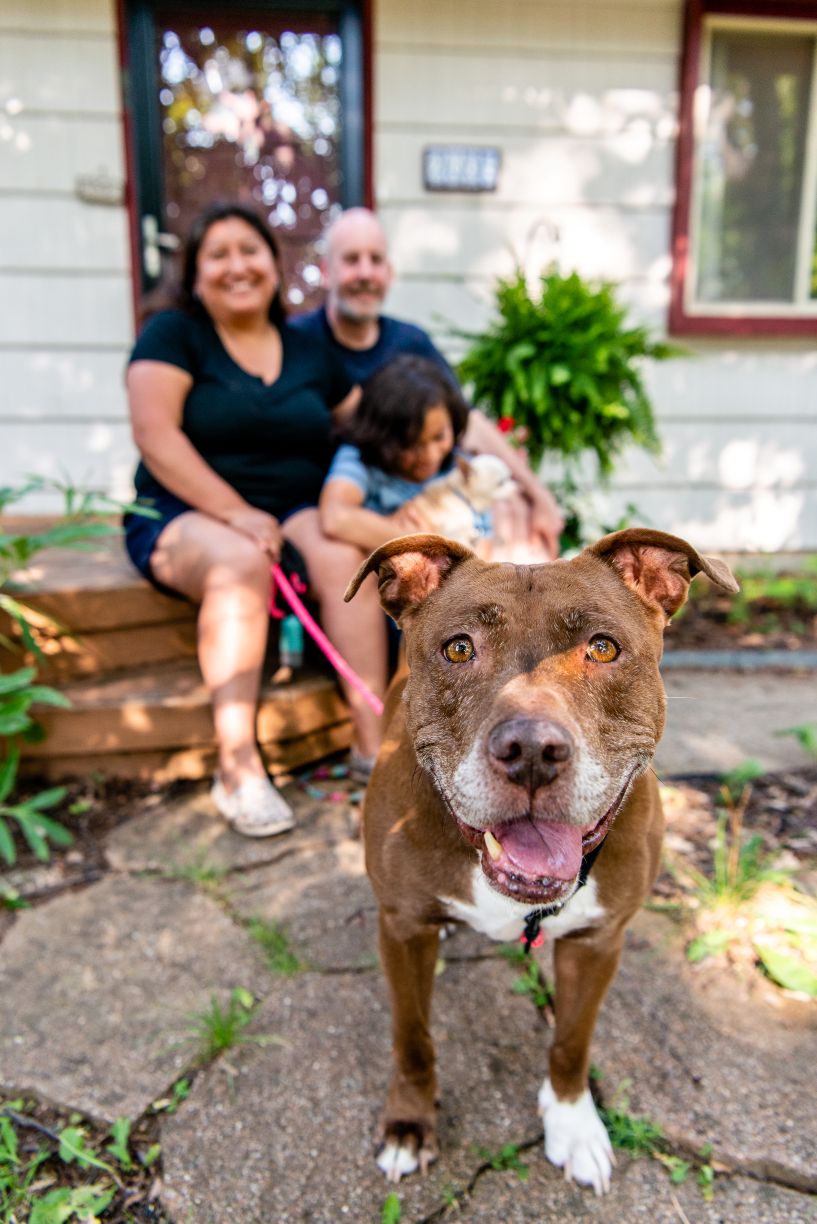
If breed labeling is inaccurate, why does Animal Farm Foundation focus specifically on dogs who look like “pit bulls”?
Because discrimination based on appearance is still very real. The motivation behind “pit bull” dog stereotypes was to keep marginalized people out of communities. Those effects persist today.
Housing providers deny families based on how their dog looks. Insurance companies charge more or refuse coverage. Some municipalities maintain bans targeting dogs with certain physical characteristics. These barriers determine whether a family can keep their dog, whether someone can move for a job, whether a senior can find affordable housing that allows pets.
When we select dogs for our programs, we focus on dogs whose physical appearance aligns with the look most affected by discriminatory policies. The discrimination happens based on what people see: a blocky head, a muscular build, certain proportions. A dog who looks that way faces different barriers, regardless of what a DNA test might reveal.
We dedicate our support to dogs who face discrimination based on appearance while working to eliminate the inaccurate labeling system that perpetuates it. These aren’t opposing positions. They’re two parts of addressing the same problem.
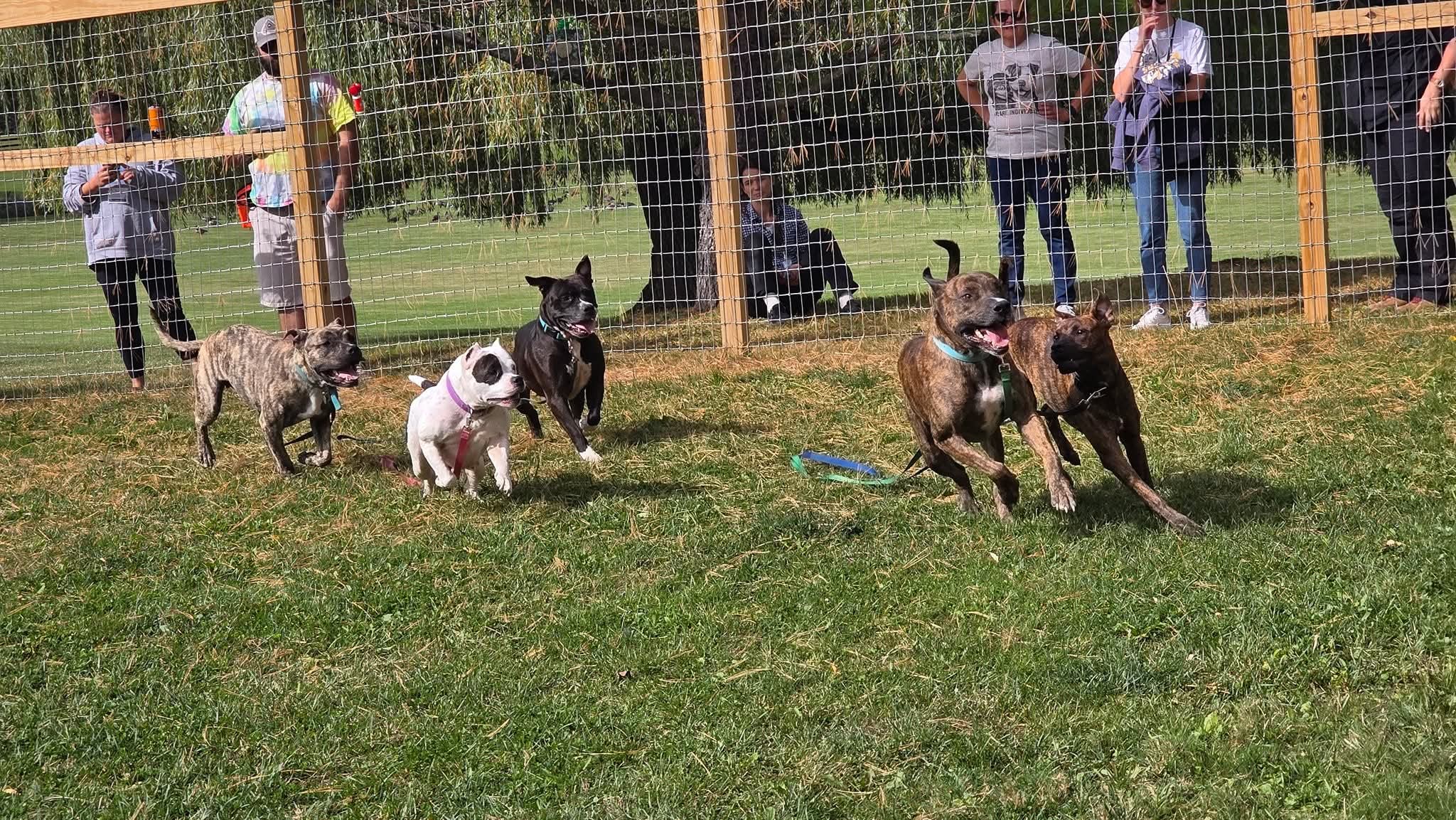
"When shelters stop using breed labels, they're refusing to participate in a system that creates impossible choices for families"
People who love dogs labeled “pit bulls” navigate housing denials, increased insurance premiums, and social stigma regularly. This disproportionately affects seniors with fixed incomes, families with limited financial flexibility, renters facing restrictive lease terms, and military families managing relocations. When shelters stop using breed labels, they’re refusing to participate in a system that creates impossible choices for families.
What Actually Helps Dogs Find Homes
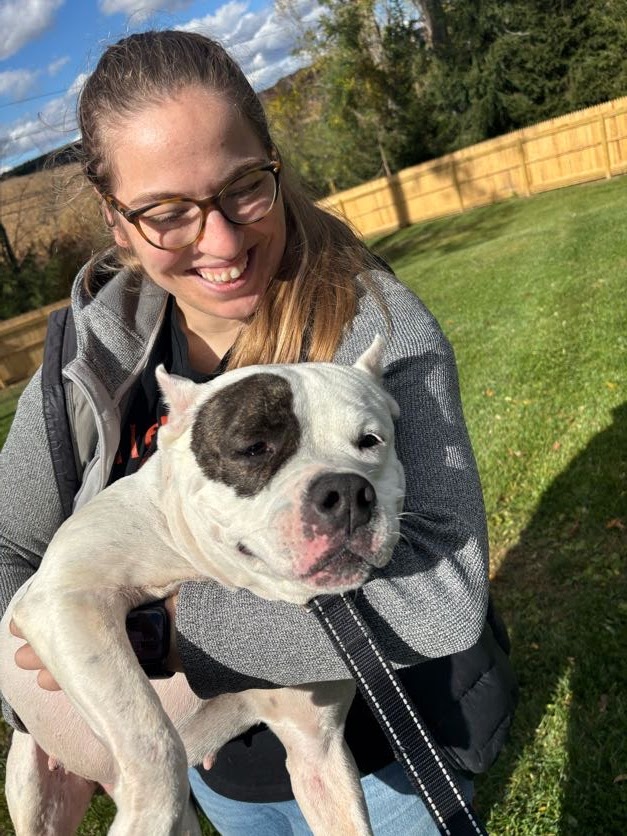
We know that dogs thrive when there’s a good match between their needs and what families can provide. Breed labels don’t predict behavior, temperament, or compatibility. They tell you almost nothing useful.
What does help?
- Real observations about how a dog interacts with people and other animals.
- Notes about what they enjoy and what stresses them out. Information about energy level and preferred home environment.
- Personality assessments based on actual behavior rather than assumptions about genetics.
Our work isn’t about elevating one type of dog over others. It’s about ending discrimination in animal welfare. Right now, dogs with certain physical characteristics face the most significant barriers, so that’s where we direct our resources. When shelters stop using breed labels and focus on individual dogs, every dog benefits. Supporting dogs facing the greatest barriers means we’re working to create a system that serves all dogs better.
Animal Farm Foundation is working toward a future where every dog is seen as an individual and families aren’t denied housing or insurance based on how their dog looks. Until that becomes reality, we’ll continue supporting the dogs and families who need it most while dismantling the systems (including breed labeling in shelters) that make discrimination possible. Both efforts move us closer to a world where dogs and families aren’t separated by policies based on appearance and guesswork.