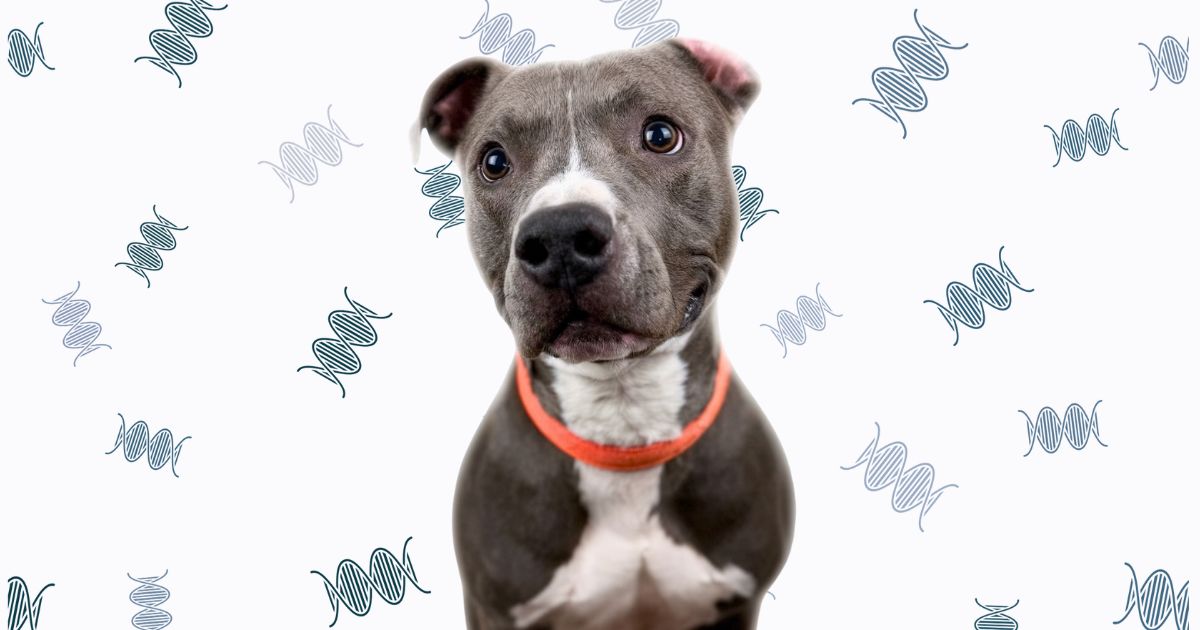
Some DNA tests promise to tell you about your dog’s personality. Whether they’ll be friendly or fearful, anxious or calm, easy to train or stubborn. It’s an appealing idea, especially when we’re trying to understand a new dog or help someone find the right match. But new research shows these predictions don’t hold up.

A study published in the Proceedings of the National Academy of Sciences looked at 151 genetic variants that had been linked to canine behavior. Researchers tested them against thousands of individual dogs to see if the variants predicted how those dogs behaved. Not a single one did.
The problem is that original studies that identified these variants didn’t measure individual dogs and their behavior. Instead, they used breed as a shortcut, looking for genetic variants that were more common in breeds labeled as friendly compared to breeds labeled as less social, for instance.
This shortcut approach assumes that all dogs within a breed behave similarly, which doesn’t match what we see in practice in animal shelters and rescues across the country. It also ignores the reality that most dogs are mixed breeds with complex ancestry that doesn’t fit neatly into categories.
When researchers tested whether dogs who had these variants showed the predicted behaviors, the connection vanished. Many of these variants turned out to be linked to physical traits instead.

A variant associated with fear, for example, was associated with leg length and height, not the dog’s emotional state at all.
Why Behavior Is Complicated
Those that have worked with dogs see this all the time: Two puppies from the same litter can grow up to be completely different. Perhaps one is confident and social, the other more reserved. Their genetics are nearly identical, but their personalities really aren’t.
Dog behavior involves many genes working together, plus all the experiences and relationships that shape a dog throughout their life. We’ve known for years that breed explains only about 9% of behavioral differences between dogs. The other 91% comes from individual variation that genetics alone can’t predict.
This is why DNA tests can tell you useful things about appearance like size, coat type, maybe even some health risks, but they can’t reliably tell you about personality or behavior. The science just doesn’t work that way, no matter how much we might wish for a simpler answer.
What Will Tell You About a Dog?
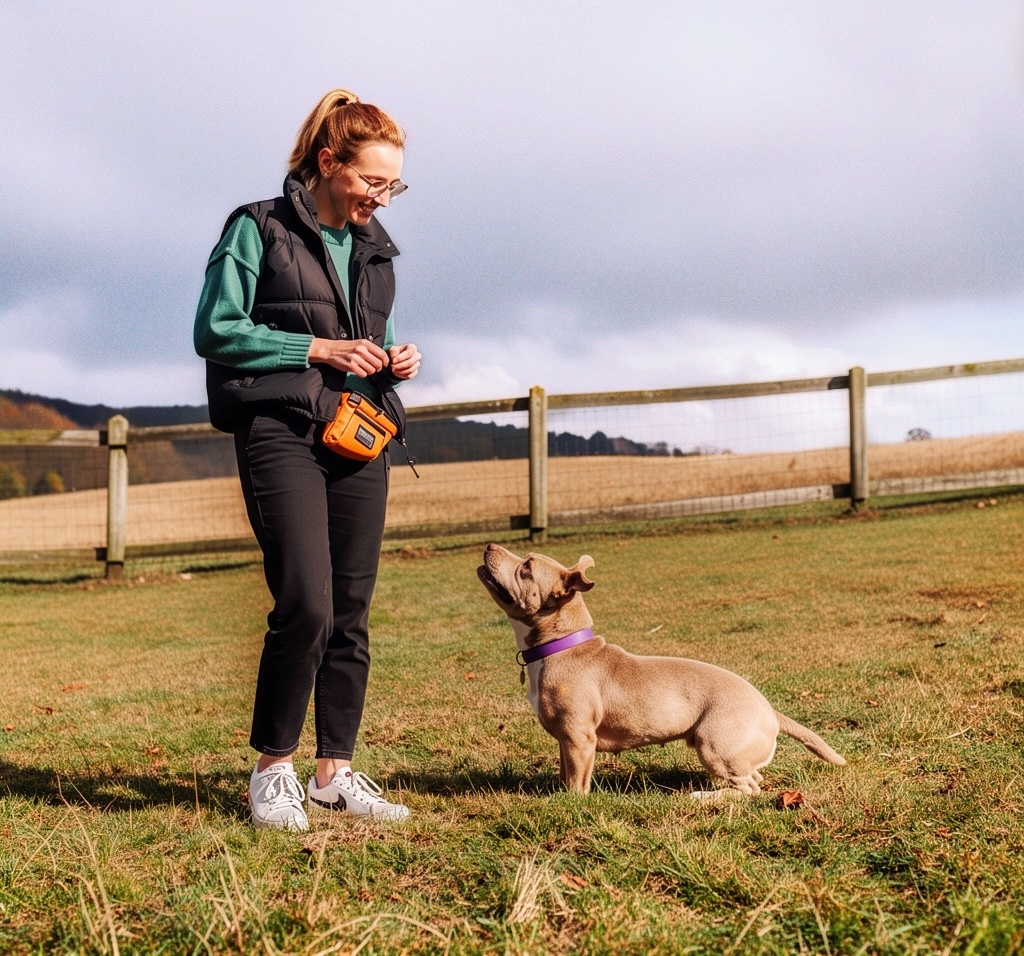
Observation is our greatest tool in getting to know a dog. Spending time and noticing how they react to new people, other dogs, and different environments. What gets them excited? What makes them nervous? Do they like to play, or do they prefer calmer activities? How do they communicate when they’re uncomfortable or need space?
This information comes from knowing the dog in front of you, not from guessing based on their DNA or their appearance. It will take more time than a cheek swab, but it’s accurate in a way genetic predictions simply can’t be.
For shelters, this means learning into what we’ve been learning through decades of experience. Describing dogs based on what we genuinely observe gives adopters better information than any breed label or genetic test. When we focus on the individual dog – their energy level, how they interact with people and other animals, what kind of home they’ll do best in – we help people make better matches. And better matches mean dogs stay in their homes and families stay together.
Moving Ahead
The appeal of DNA testing makes sense given how much we want to understand our dogs. We want to feel prepared, and we want tools that feel scientific and reliable. But behavior is shaped by too many factors for any simple test to predict it. Genetics play a role, but so do other factors like early experiences, current environment, relationships, training, health, and countless other variables that intersect in ways we’re still learning about and trying to understand.
For shelters with limited time and resources, this doesn’t mean giving up on knowing dogs as individuals. It means working with what you can observe, being honest about what you don’t know, and giving dogs opportunities to show you who they are outside the kennel environment when possible. Playgroups, interactions with volunteers, and even temporary foster placements or field trips can reveal information that kennel behavior alone won’t show.
And when you can’t get that fuller picture, describing what you genuinely observed (along with acknowledging the limitations of the shelter environment) gives adopters better information than assumptions based on appearance ever could.
It’s not always easy, and it won’t always be perfect. But every step away from predictions and toward observation is a step in the right direction.
For more information, dive into the National Canine Research Council’s resources on genetics and dogs or this recent NY Times article