Animal Farm Foundation offers a range of presentations designed to shift perspectives, build skills, and drive real-world outcomes for dogs and the people who care for them. Whether you’re looking to reframe language in your shelter, remove barriers to adoption, improve training and enrichment practices, or overcome common challenges with big dogs, our sessions deliver practical tools, inspiring insights, and actionable strategies. Available for conferences, multi-shelter summit and events, agencies, and more.
We’re happy to collaborate and adjust presentation content to best support your organization’s goals.
Addressing Behaviotal Issue in Shelters
A discussion about making dogs lives enriched while in our care. Covering basics for everydog and more ideas for the longer stay big dogs.
How Language Shapes Shelter Outcomes
What if changing a few words could help you move more dogs into homes, strengthen community trust, and build a more unified team?
In this session, you’ll learn how everyday language shapes public perception, team culture, and outcomes. We’ll examine how vague or biased behavioral and breed-related language can hold dogs back, and explore ways to communicate with accuracy and empathy.
You’ll also learn how to use marketing language that inspires action and connection, and leave with practical tools, including the full Words Matter toolkit, to train staff, update materials, and implement change right away.
The session includes hands-on exercises, discussion, and a lively shelter language bingo game with prizes. Whether you’re starting to rethink your language or already leading culture change, you’ll walk away with strategies to create a kinder, more effective shelter environment, because words matter.
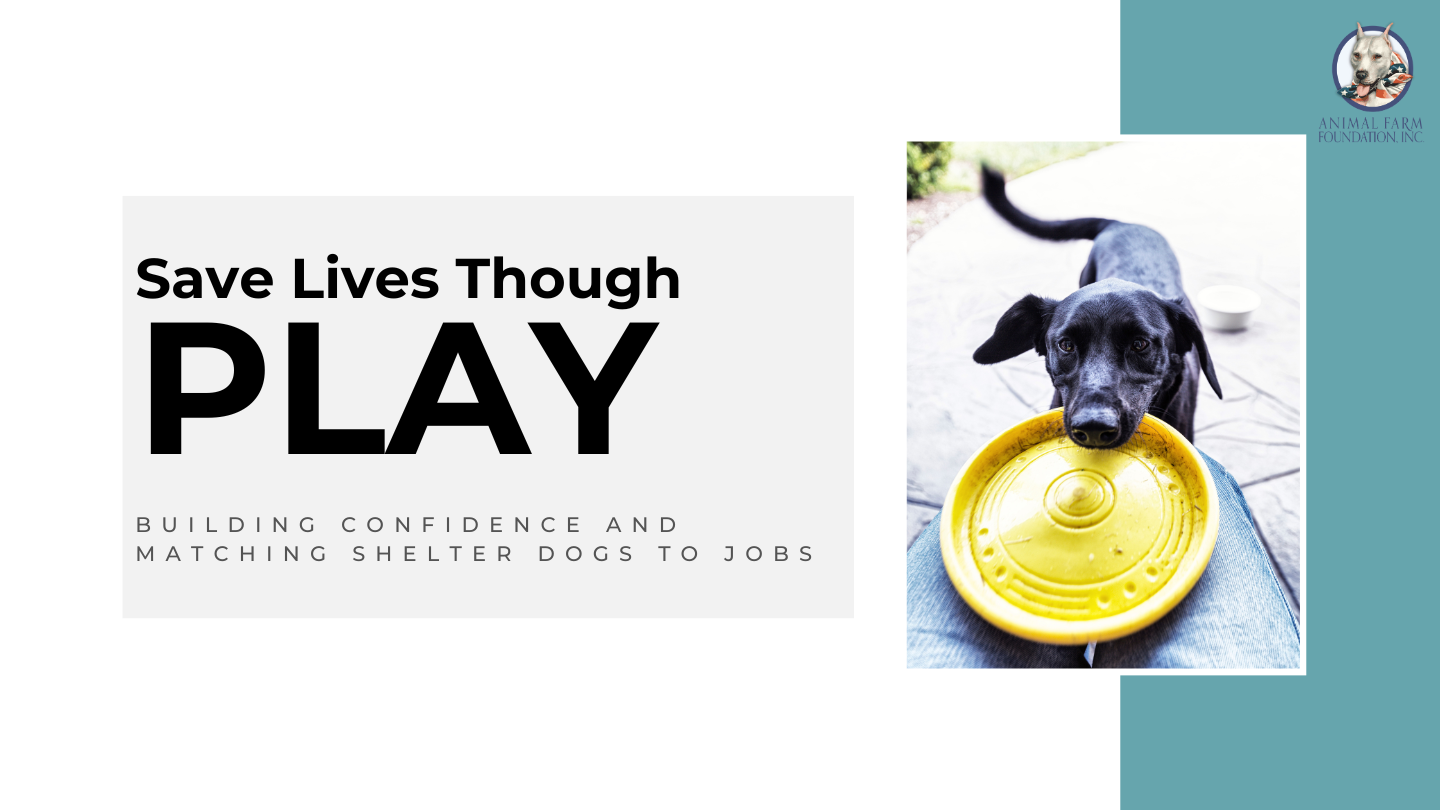
Building Confidence and Matching Shelter Dogs to Jobs
In sheltering, every interaction we have with a dog can be the difference between whether a dog stays in a kennel or finds a full life. This session will illustrate how structured play builds confidence, reduces stress, and helps staff and volunteers identify each dog’s strengths, preferences, and potential “career paths”
Play isn’t only for fun. It’s a practical enrichment and assessment tool. Short sessions release energy, lower anxiety, and strengthen bonds between dogs, staff, and adopters. Activities like tug, flirt pole, scent games, and fetch reveal traits such as impulse control, focus, and resilience.
Key takeaways:
• Confidence building: Play helps shut-down dogs engage, increasing adoptability.
• Stress reduction: Exercise and mental work calm dogs, easing kennel behavior.
• Behavior insight: Games expose tolerance for frustration, comfort with handling, and social style without formal testing.
• Job potential: Play can uncover skills suited for detection, agility, or therapy work.
• Staff engagement: Easy-to-run play sessions improve morale and strengthen human–dog connections.
Activities covered:
• Flirt pole for controlled exercise and impulse control
• Tug for engagement and confidence
• Search games for scent and problem-solving work
• Frisbee for high-energy outlets
• Simple, low-cost games adaptable to any shelter
Attendees will leave with a clear plan for safe, efficient, low-cost high high-impact play programs that support both enrichment and evaluation. The framework includes safety checks, volunteer training, and ways to tailor play to each dog’s energy and comfort level.
When shelters treat play as both enrichment and assessment, they match dogs to homes or working opportunities faster, shorten stays, and improve outcomes, while keeping dogs healthy and happy.
AI Tricks for Smarter Shelter Workflows
Ready to transform the way your community perceives and adopts animals? Want to harness the power of language to create a world of difference for dogs in need? Join us to discover how the words we use can dramatically impact the lives of dogs in our shelters.
This session will delve into the critical role language plays in shaping public perception and influencing adoption outcomes. Learn to identify and challenge common misconceptions about dogs, and how to highlight individual personalities while changing the way the community thinks about pet adoption.
Uncover the latest research on how language affects adoption rates and length of stay. Through real-world examples and case studies, you’ll gain practical tools to implement immediate changes in your shelter. By the end of this session, you’ll be equipped to audit your current language practices, train your staff, and create a more inclusive and positive shelter environment for all.
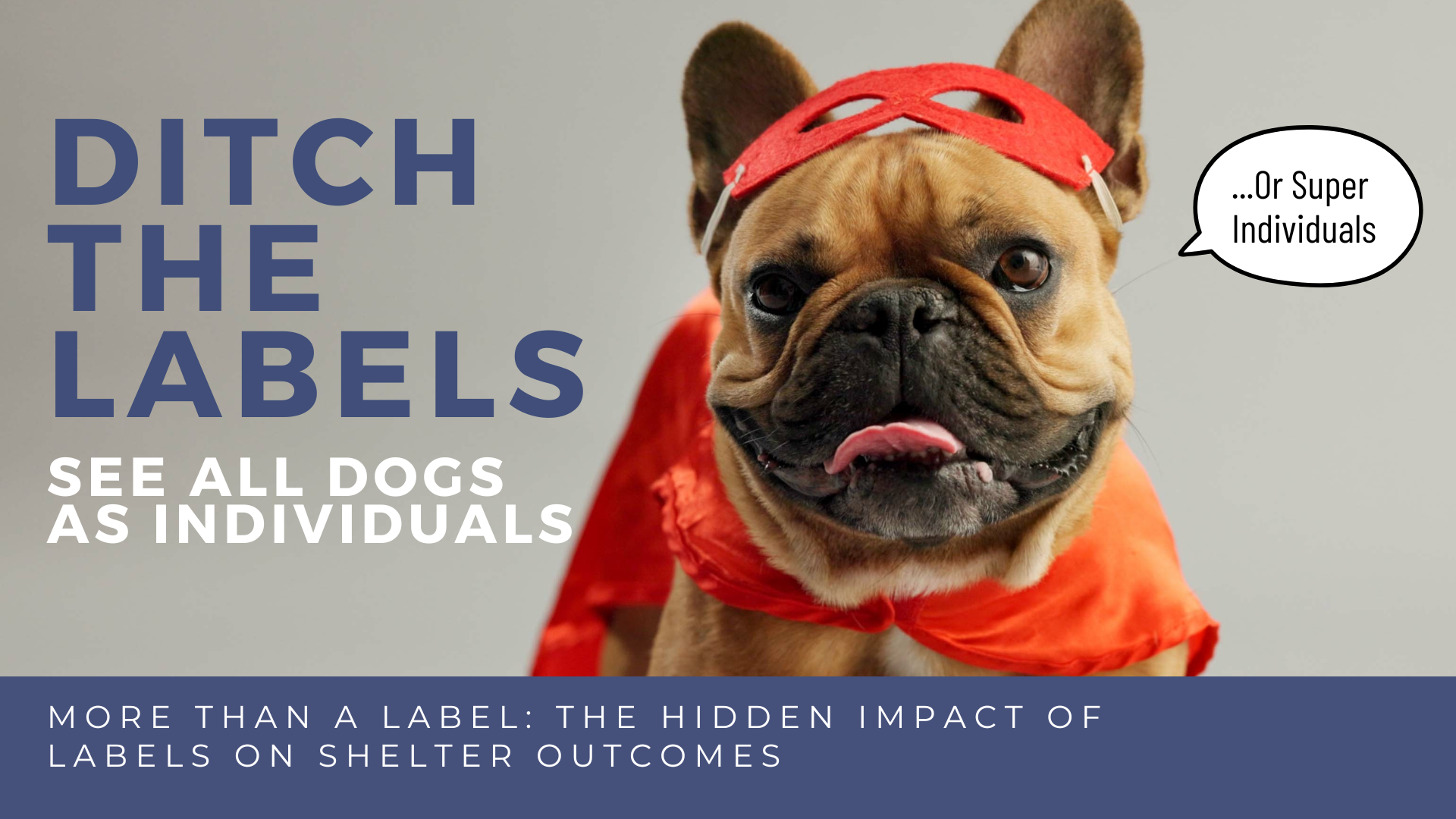
The Hidden Impact of Breed Labels on Shelter outcomes
Discover the most recent research that supports a shift in our thinking and discussion about “breed” in individual dogs. True success, which brings positive change to our community, happens when we let go of preconceived notions and biases, and avoid labeling dogs solely based on these notions. We will explore the fundamentals of canine genetics and what the latest research tells us about the link between genetics and behavior. Scientific evidence shows that visually identifying dogs is unreliable and has a negative impact on shelter dogs. By moving away from classifying by perceived breeds and focusing on the individual characteristics of each dog, we not only increase adoption rates, but also shape how communities perceive dogs and their individual potential. Let’s embrace a modern, science-based approach to sheltering that acknowledges dogs as individuals, fosters transformative community success, and creates inclusive and compassionate communities for both dogs and people. Together, we can reshape the future of animal sheltering and enhance the well-being of shelter dogs.
How Dogs Learn
Discover the most recent research that supports a shift in our thinking and discussion about “breed” in individual dogs. True success, which brings positive change to our community, happens when we let go of preconceived notions and biases, and avoid labeling dogs solely based on these notions. We will explore the fundamentals of canine genetics and what the latest research tells us about the link between genetics and behavior. Scientific evidence shows that visually identifying dogs is unreliable and has a negative impact on shelter dogs. By moving away from classifying by perceived breeds and focusing on the individual characteristics of each dog, we not only increase adoption rates, but also shape how communities perceive dogs and their individual potential. Let’s embrace a modern, science-based approach to sheltering that acknowledges dogs as individuals, fosters transformative community success, and creates inclusive and compassionate communities for both dogs and people. Together, we can reshape the future of animal sheltering and enhance the well-being of shelter dogs.
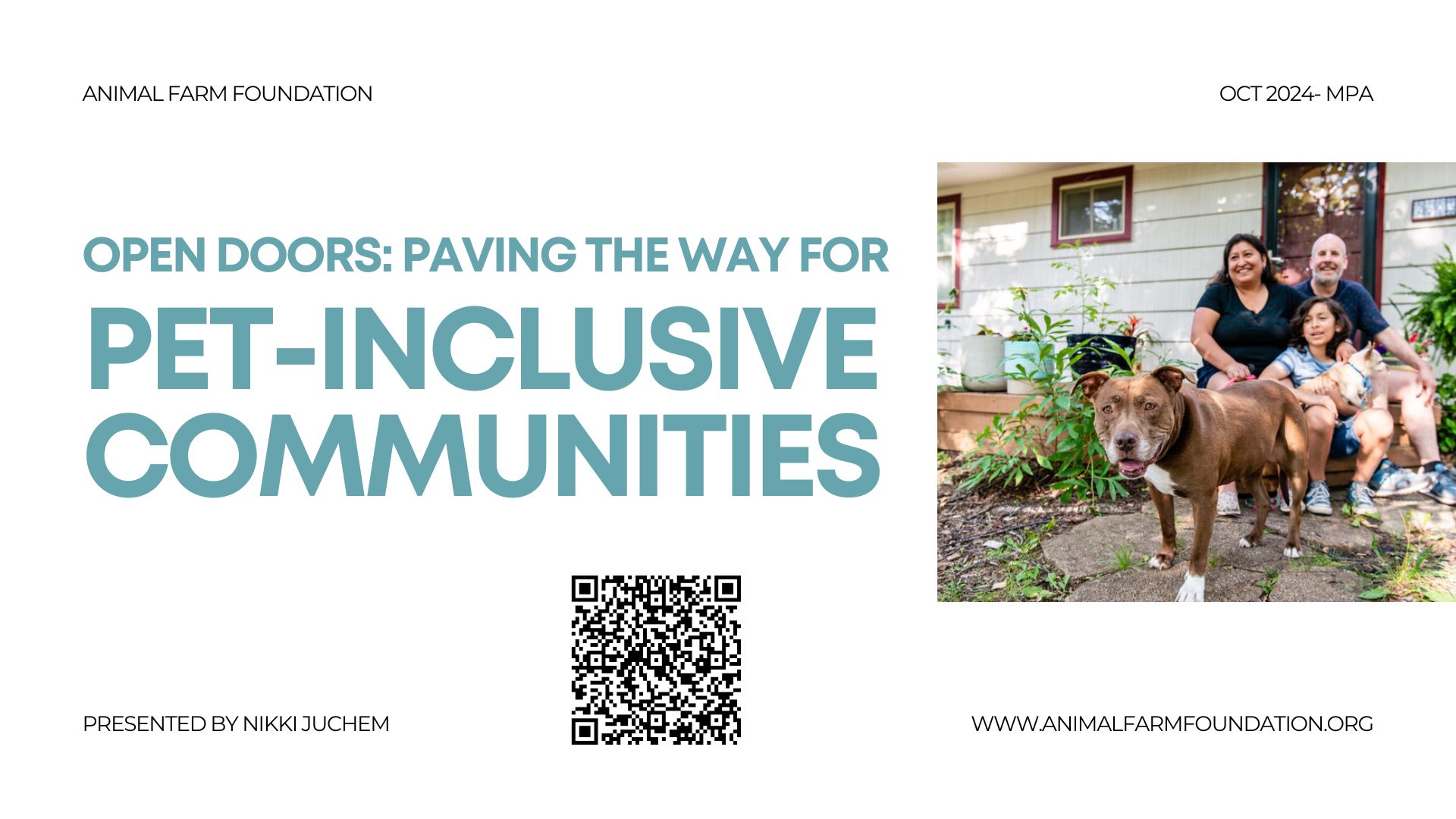
Send More Dogs Home
This presentation delves into the challenges faced by pet owners in securing housing and its implications on animal sheltering, including intake rates, outcomes, and length of stay. We will share case studies and resources to assist shelters, tenants, and landlords in building positive relationships. Strategies will be discussed to advocate for pet-inclusive housing policies, addressing barriers such as breed/weight restrictions and pet deposits. Additionally, The economic and social benefits for communities and property managers will be explored. Ultimately, this presentation seeks to facilitate dialogue among stakeholders to promote understanding, empathy, and actionable solutions, creating inclusive housing communities where pets and people can thrive together.
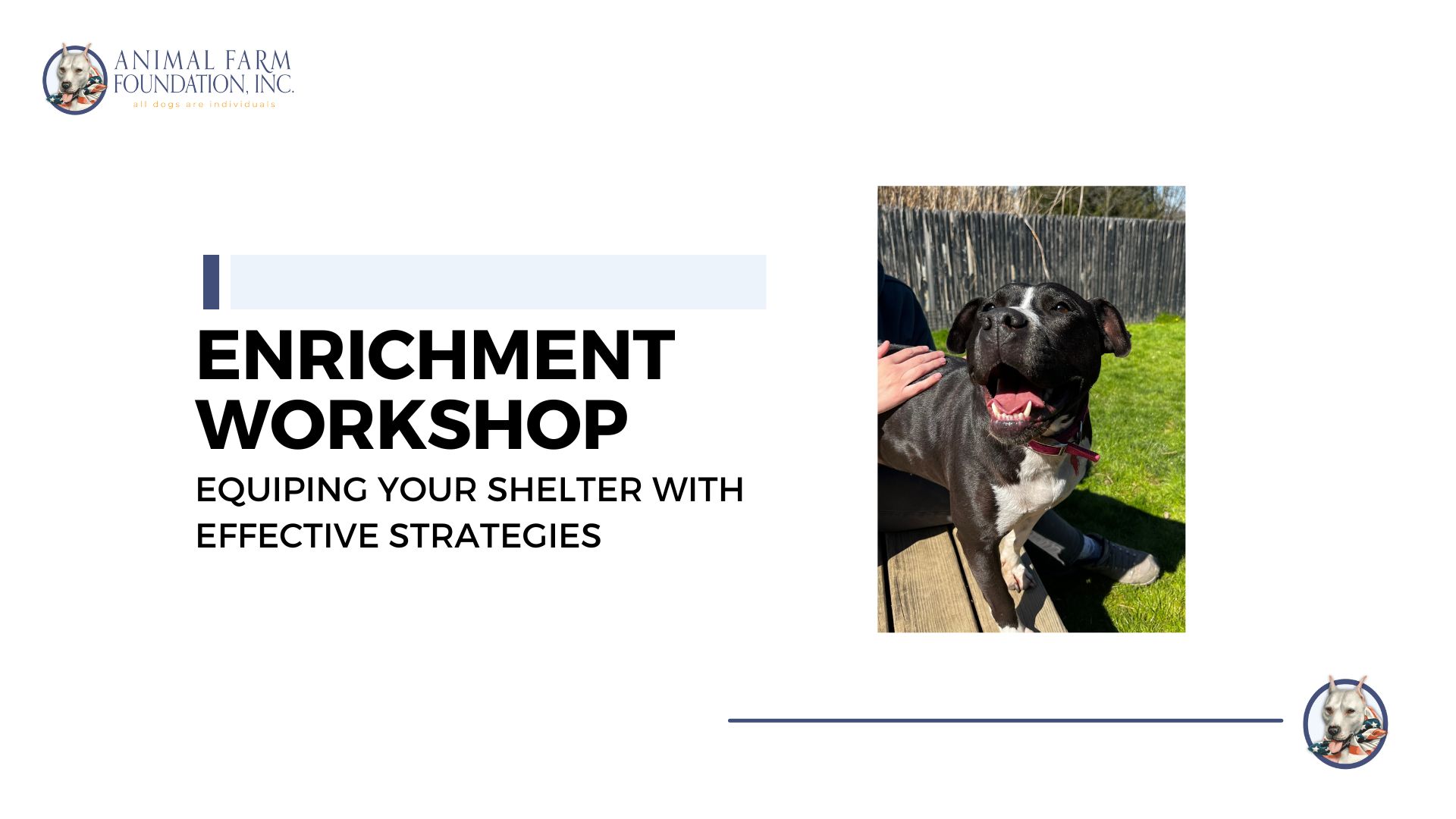
Equipping Your Shelter with Effective Strategies
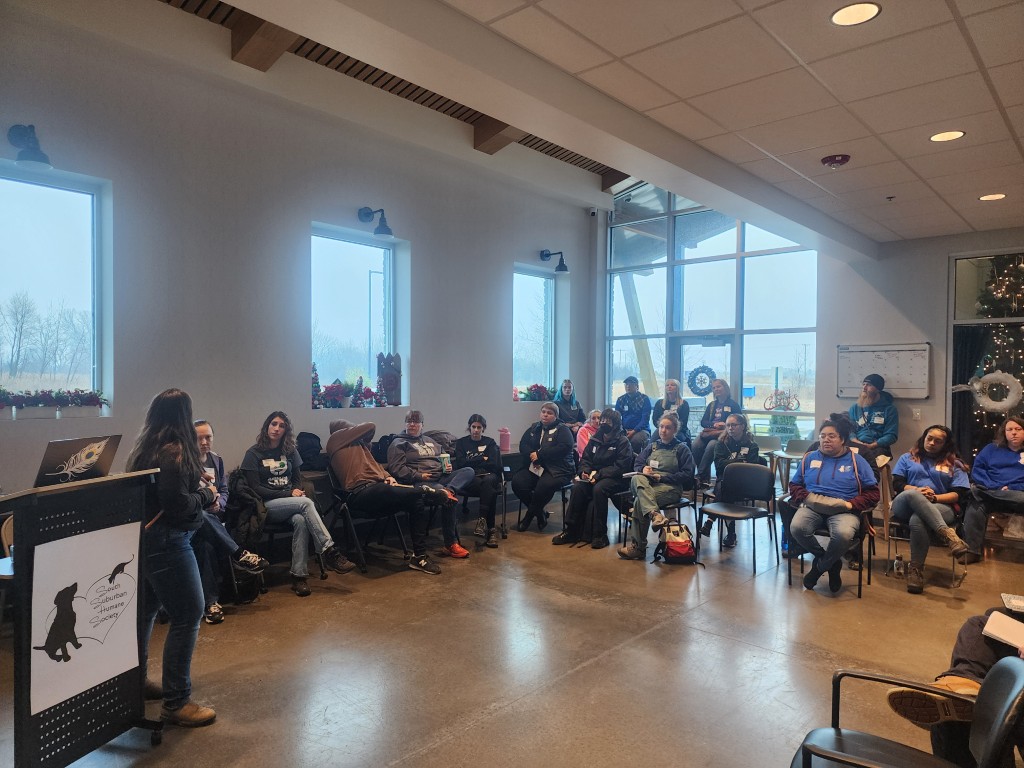
Get ready to make some fun enrichment tools in this comprehensive enrichment workshop. In this hands-on workshop participants will be creating enrichment toys while learning more about the importance of enrichment. We will focus on the critical role of enrichment in the lives of dogs living in shelters, emphasizing both in-kennel and out-of-kennel practices. By addressing the psychological and physical needs of dogs living in shelters, we will examine how meeting these needs can drastically improve their overall well-being. Through a mix of videos, hands-on demonstrations, and detailed lessons, attendees will learn about the different senses of enrichment and effective training methods to ensure the mental and physical well-being of the dogs in their care. This session provides actionable strategies and insights that participants can take back to their shelters, ultimately improving the quality of life for the dogs in their care.
Animal Farm Foundation (AFF) is a 501(c)3 nonprofit organization built on the principle that all dogs are individuals. Our Foundation relies on science-based information about animal behavior and public policy, including breed-specific legislation and housing insurance discrimination, derived from our subsidiary National Canine Research Council. AFF’s team offers regional and national initiatives that support dogs and the people who care for them in their communities.
NYS Department of Agriculture and Markets Shelter/Rescue Registration: RR286