Offline Adoption Marketing: Connect More Dogs with Families
Social media is powerful. It’s immediate, shareable, and most of us check it multiple times a day. But for many communities, offline marketing remains essential for reaching potential adopters where they actually spend their time. And critically, this doesn’t mean abandoning digital marketing efforts: Traditional marketing can complement your social strategy in some unique and memorable ways.
In many cases, rural and resource-limited shelters often lead the way here, building offline marketing out of necessity. In communities where reliable internet access isn’t guaranteed, residents get their news from local papers, community bulletin boards, and word-of-mouth. The rest of us can learn from this. Community relationships create visibility that truly lasts and deeper, more lasting connections. It’s not always flashy, but it works because it meets people where they already are! Let’s take a look:
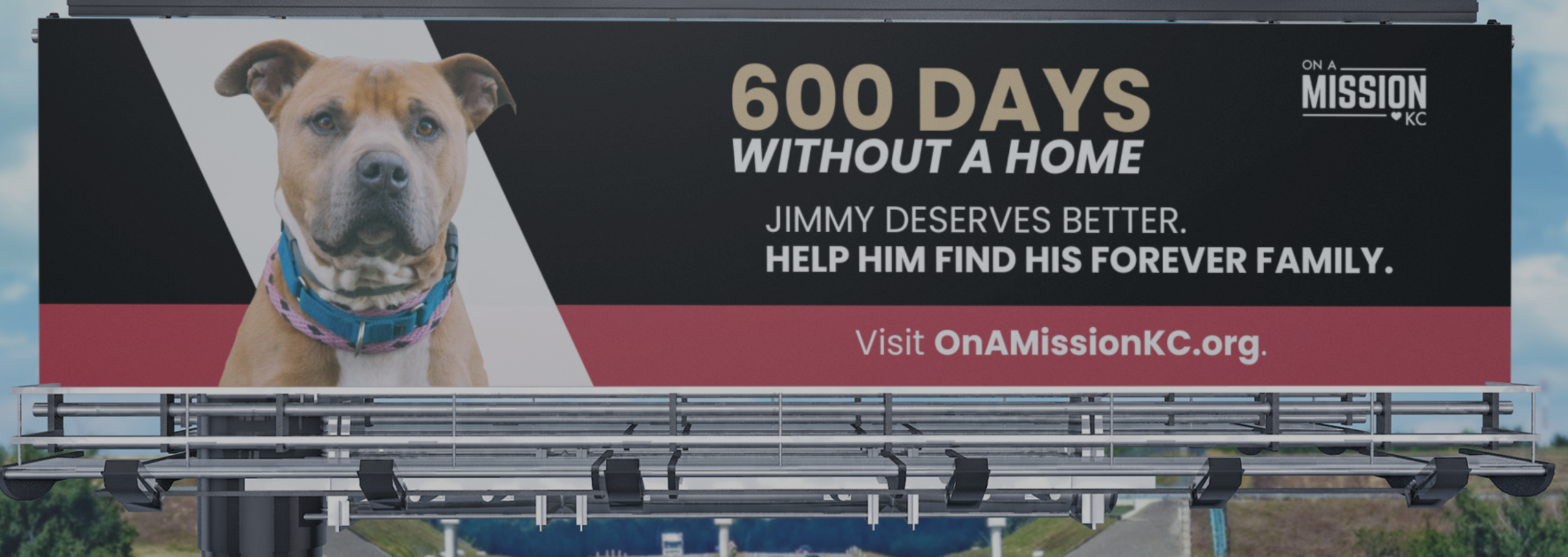
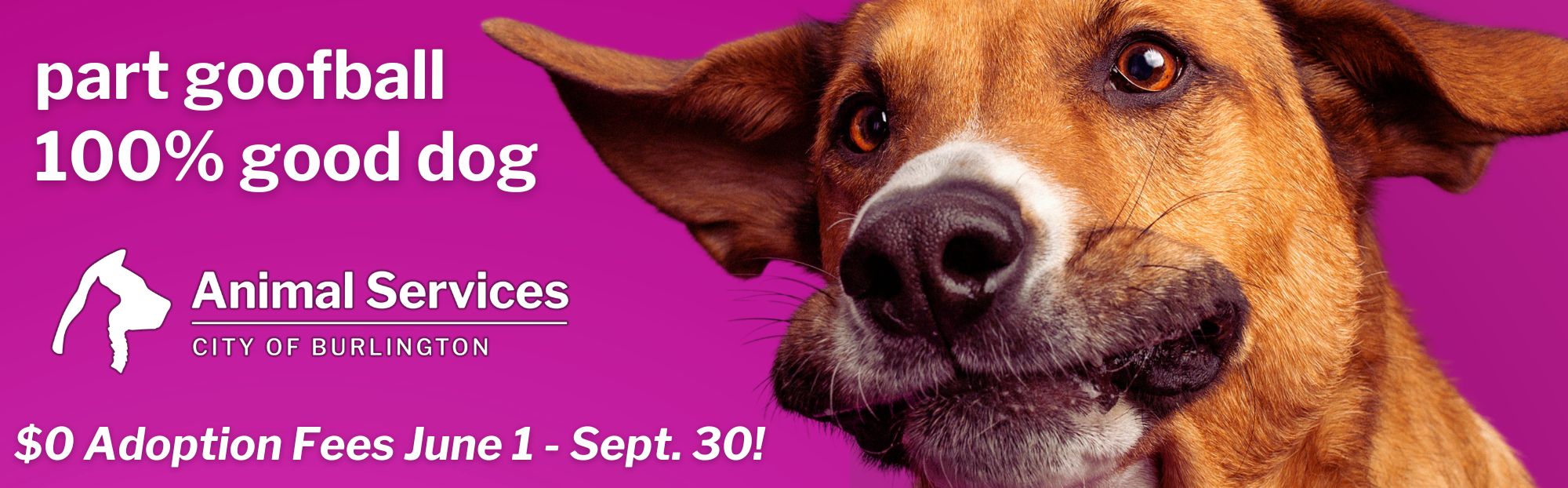
Experiment with featuring individual dogs by name and photo vs. more evergreen or generic “adopt a pet” messaging. Measure your results and see what the community responds to!
Credit: City of Burlington Animal Services
Billboards can cost about $1,500/month but many billboard companies can provide discounted or even donated spaces, which create 24/7 visibility that social media posts can’t match
Partner with local businesses or major donors to sponsor billboard space (ex: Celsius Tannery sponsored Sally Sue’s billboard)
Rotating features keep the campaign fresh and celebrate each adoption
Build familiarity over time; commuters see the same dog daily and follow their story which can lead to great media and PR tie-ins
Print Materials: Meet People in Their Daily Routines
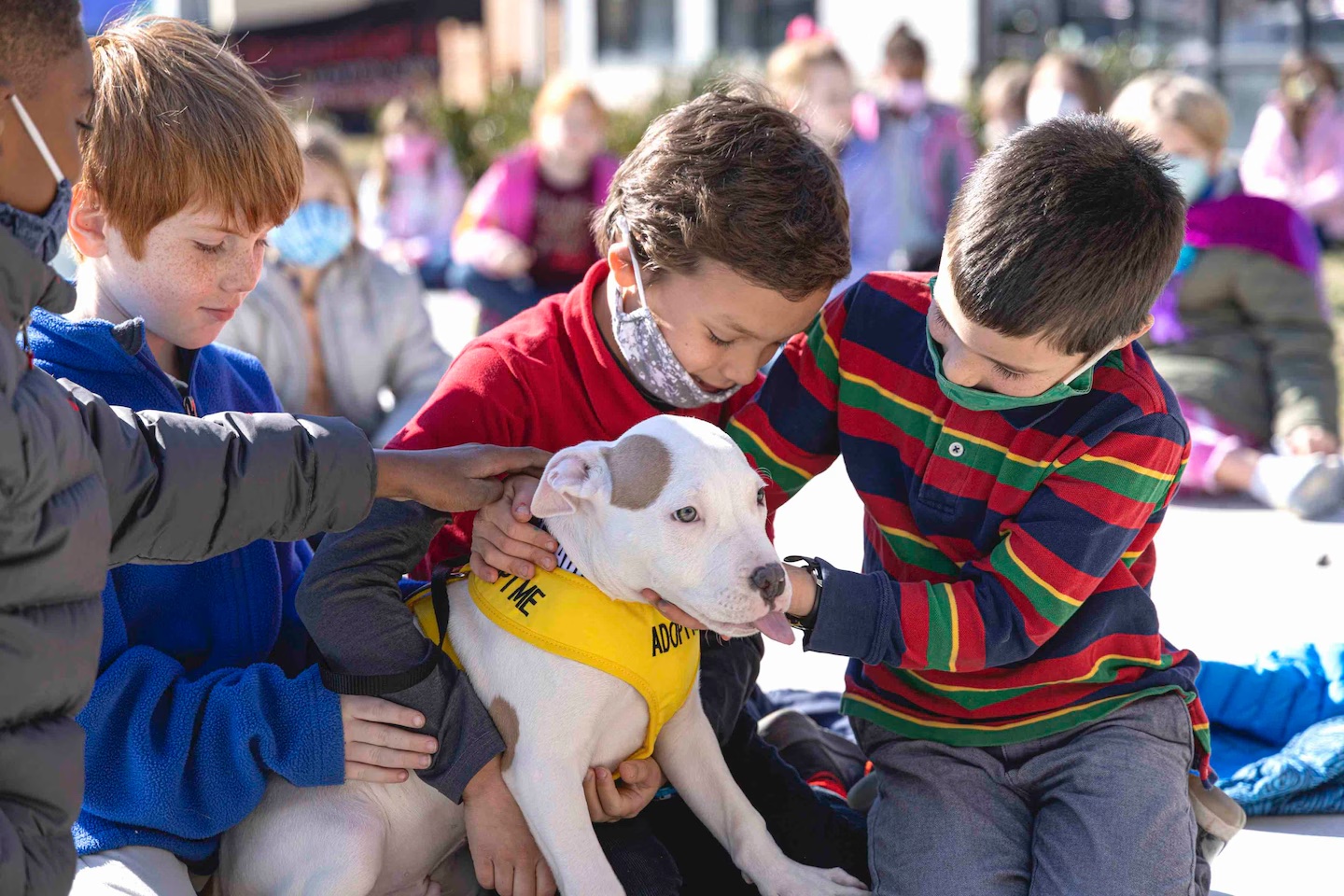
Credit: Washington Post/St. Michael's Episcopal School
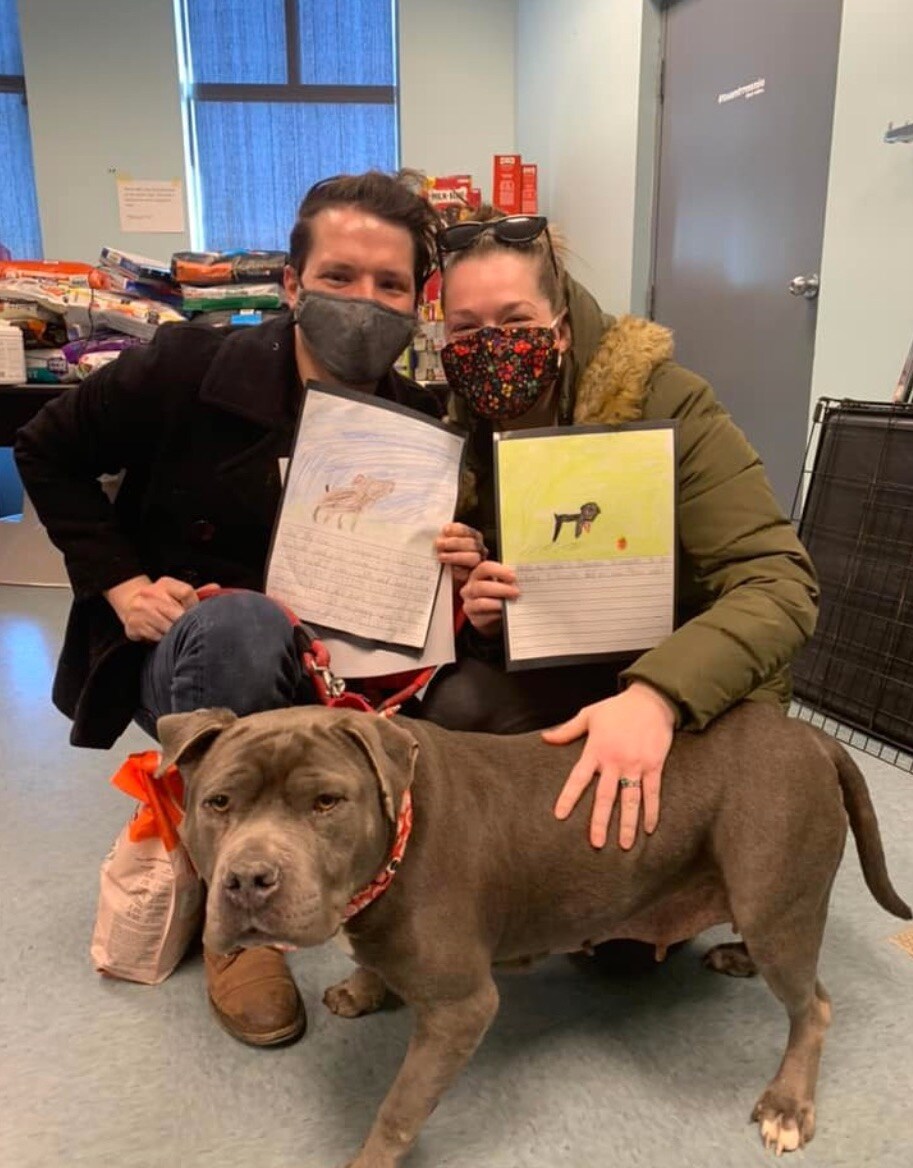
Richmond Animal Care and Control partnered with a local elementary school where second-graders wrote profiles and drew pictures for hard-to-adopt dogs. The artwork and descriptions were posted on the dogs’ kennels. Result: 21 of 24 longest residents found homes.
What we can all learn:
Print flyers affordably at copy shops; focus budget on quality photos
Post where your target audience already goes (not just pet-related businesses)
Partner with schools for letter-writing campaigns that teach advocacy while marketing dogs
An authentic perspective from staff, volunteers, or even children make dogs more relatable
Physical materials can be taken home, shared with family, pinned to refrigerators
Enlist a volunteer flyering crew to post new flyers and collect old ones
Credit: Richmond Animal Care & Control
Community Spaces: Natural Partnerships
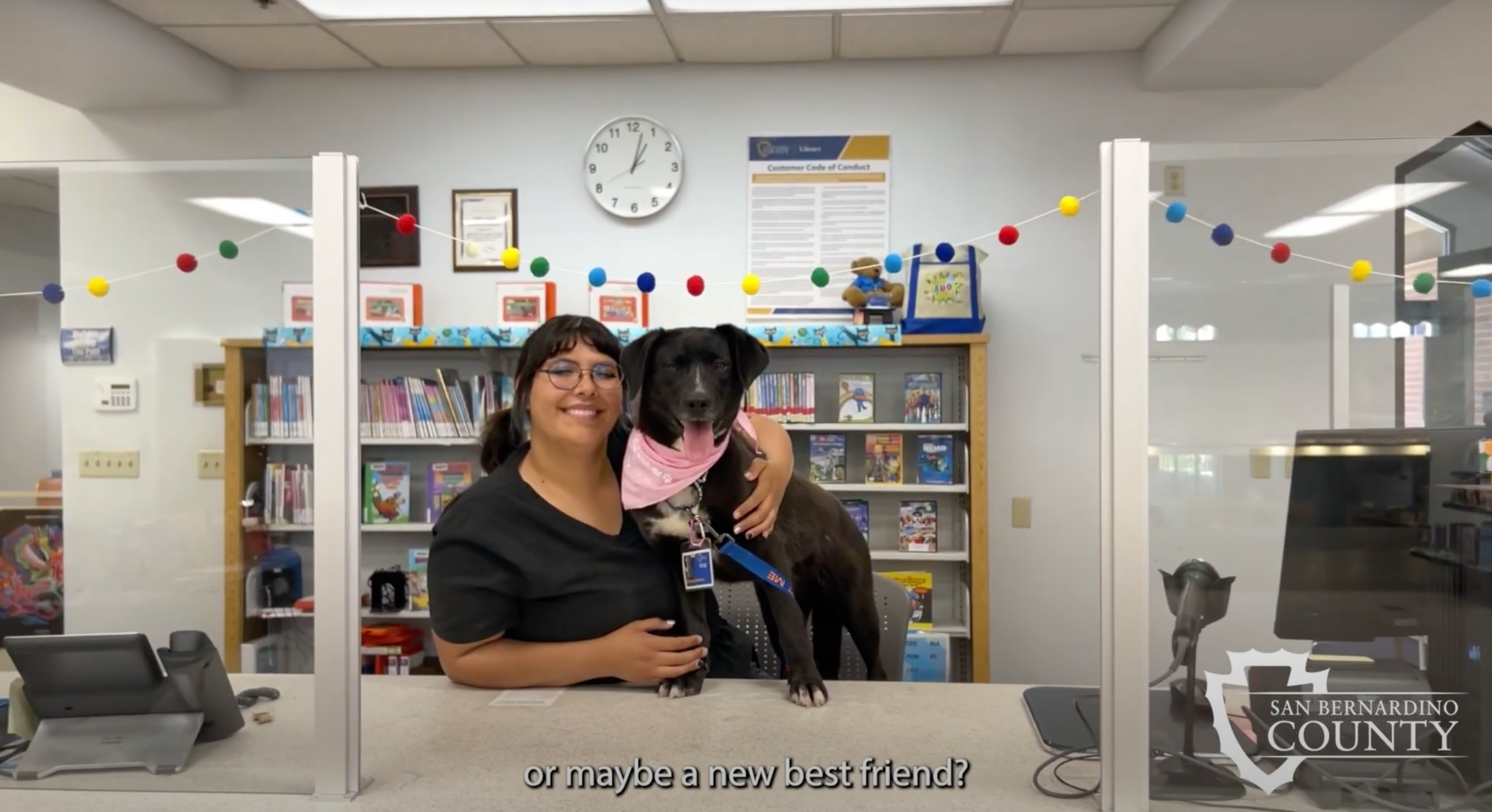
Credit: San Bernardino County on YouTube
We love a community connection like this one: San Bernardino County partnered their library system with animal care for a “Telling Tails Reading Program” where kids read to shelter dogs.
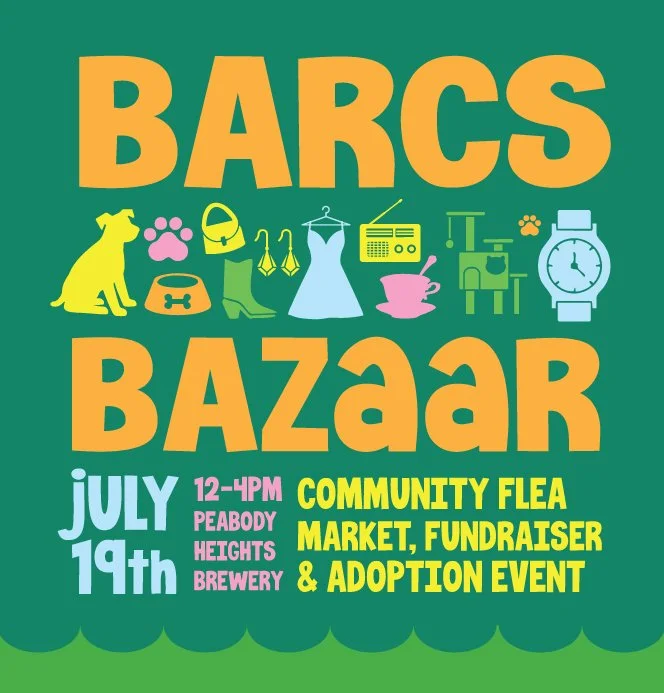
BARCS in Baltimore does a great job of building visibility with their “BFF Waggin'” (mobile adoption unit), which rolls into community venues like breweries or craft fairs with adoptable dogs. These kinds of partnerships give the shelter access to an established audience who’s already gathered for entertainment.
You try:
Libraries want community partnerships and already have foot traffic
Families who come for activities (not specifically to adopt) are more open to considering it later
Partner on joint campaigns that benefit both organizations
These programs work for dogs who need confidence-building and families who need low-pressure shelter exposure
Credit: BARCS Animal Shelter
Creative Visibility: Showing Dogs in Context
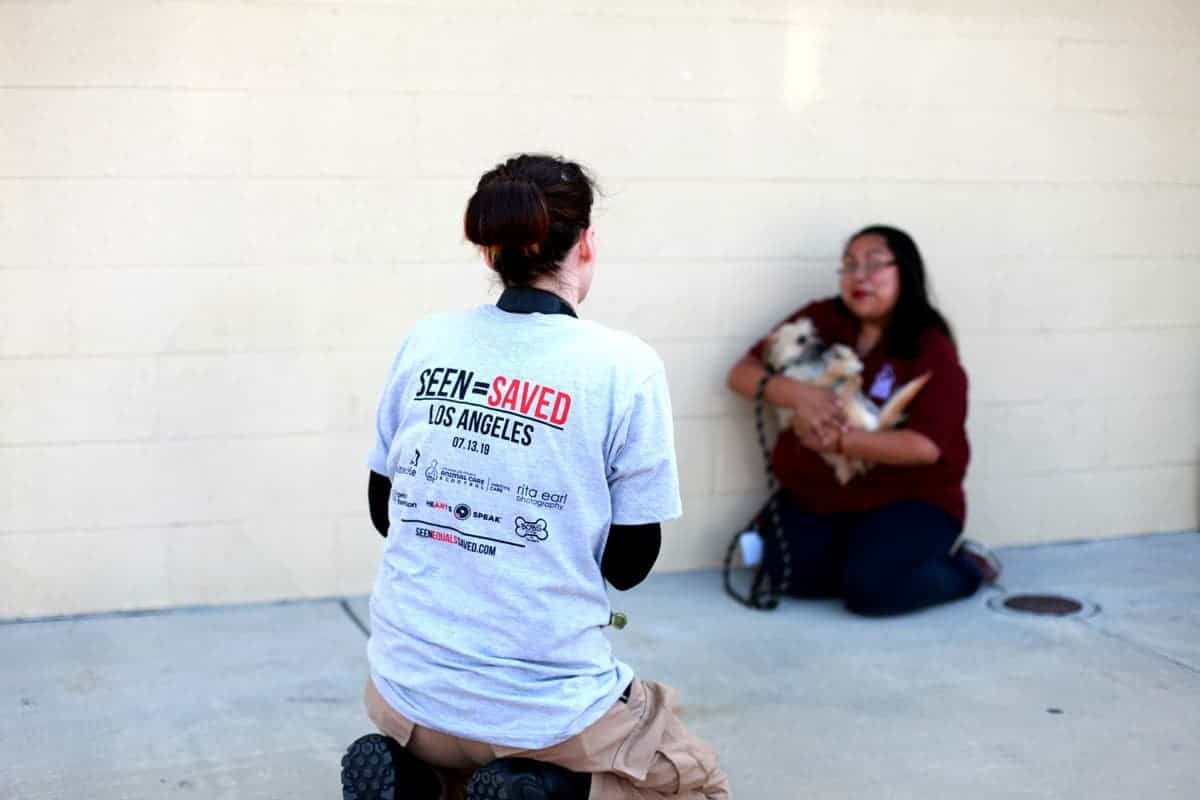
Credit: Rita Earl Photography & HeARTs SPeak
Sometimes partnering with a community creative can unlock a whole new audience! Bryan Reisberg (@madmax_fluffyroad) takes Best Friends Animal Society dogs on weekly NYC adventures, including subway rides in a dog backpack. He documents each trip on social media. Result: 10 of 11 featured dogs adopted.
HeARTs Speak’s Seen=Saved initiative took a different approach using the power of collaboration: in one single day, photographers documented every single animal in the Los Angeles shelter system. The campaign created mass visibility and resulted in 308 adoptions over two days in July (significantly above normal for that time period). HeARTs Speak members later did the same style even in Phoenix, and regularly use photography and creative storytelling to help shelter animals be seen.
Take a creative leap:
Show dogs as part of everyday life, not just in kennels
Partner with photographers and creatives to document your animals professionally (find an artist here!)
Mass photo events create urgency and community engagement
“Doggy Day Out” programs serve double duty: stress relief for dogs, public visibility for adoption
Volunteer-led field trips to parks, hiking trails, outdoor cafes normalize shelter dogs in community spaces
Partner with high school running teams or walking groups for regular dog exercise that doubles as marketing
Unexpected visibility (dog on subway, dog at farmers market) sparks conversations and breaks stereotypes
Media Relationships: Free Publicity That Reaches Different Audiences
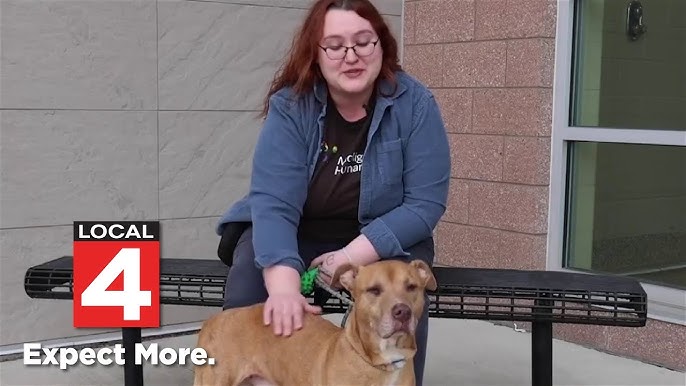
Credit: WDIV Detroit
Many local newspapers run weekly “Pet of the Week” features. TV stations feature adoptable pets in feel-good segments. These reach audiences who may not follow social media and cost nothing beyond the time to send photos and bios.
How to get started:
Pitch individual dog stories to local journalists (long-timers, special needs, bonded pairs, senior dogs)
Provide high-quality photos and concise, positive bios that are ready to publish
Build relationships with reporters who cover community interest stories
Local media coverage lends credibility and reaches older demographics
Radio stations often offer free PSA time for nonprofits