

Barking, jumping, pulling, chewing, mouthing, digging: these behaviors are all part of the normal canine repertoire, the ways dogs communicate and interact with their world. Dogs bark because they have something to say. They jump to greet the humans they’re excited to see. They pull on leashes because moving forward is inherently rewarding. They chew because it feels good and relieves stress. In a home with space to move, choices to make, and familiar routines to rely on, these same behaviors might be manageable or even barely noticeable, but in a shelter they become amplified.
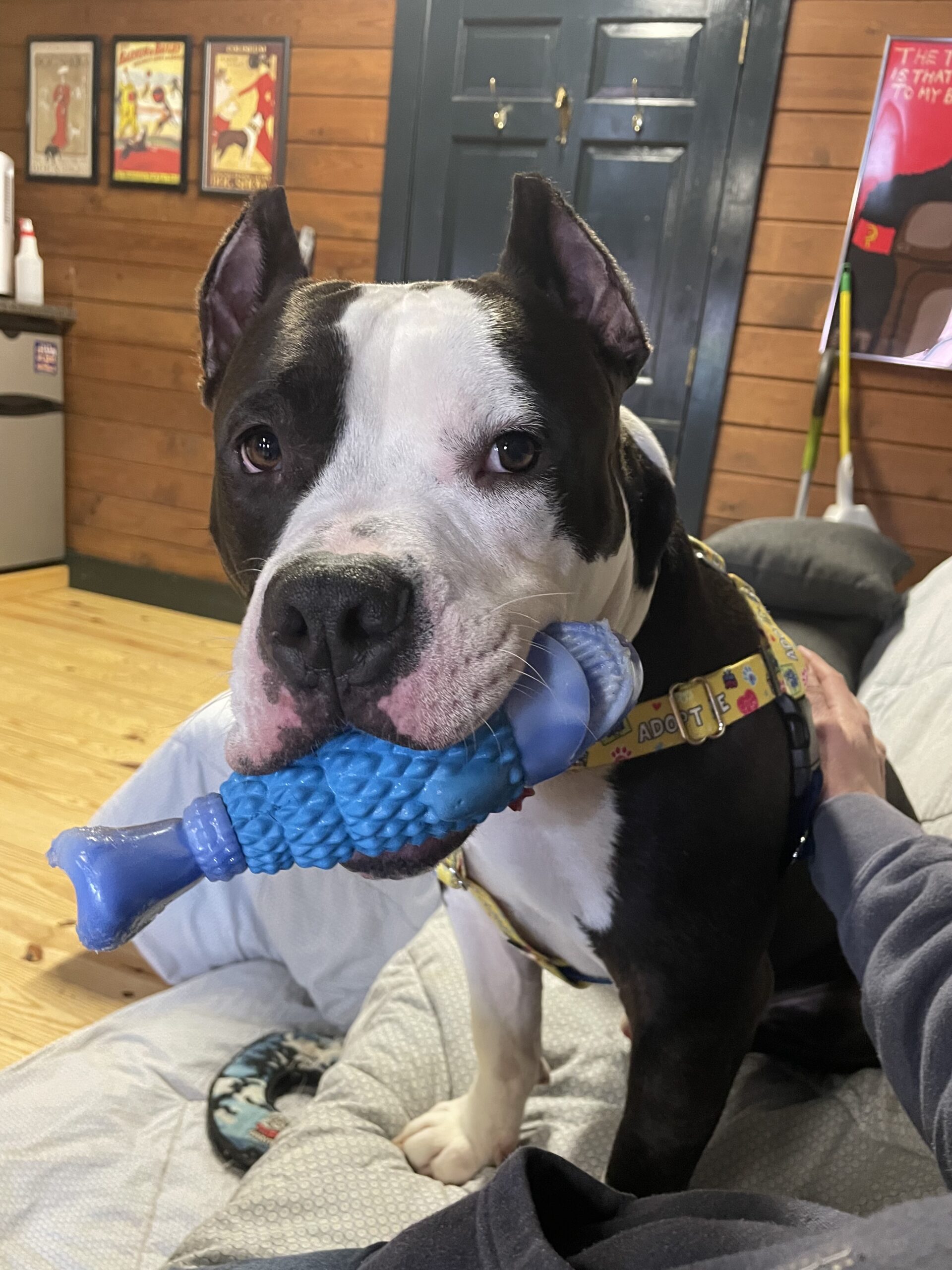
A dog who might bark occasionally at home may bark more in a kennel surrounded by other barking dogs, each one feeding off the anxiety of the others. A dog who enjoys enthusiastic greetings may jump higher when human interaction becomes scarce and precious. A dog who chews to self-soothe may seek out anything chewable when anxiety runs high and there’s little else to occupy their mind.
The Challenge of Assessment
We know shelter environments can create difficult conditions for accurate behavior assessment. As we’ve explored before, the shelter environment removes dogs’ ability to make choices for themselves, leaving them to spend days in kennels with limited human contact, surrounded by other stressed animals, without the routines and comforts of home that help them feel secure.
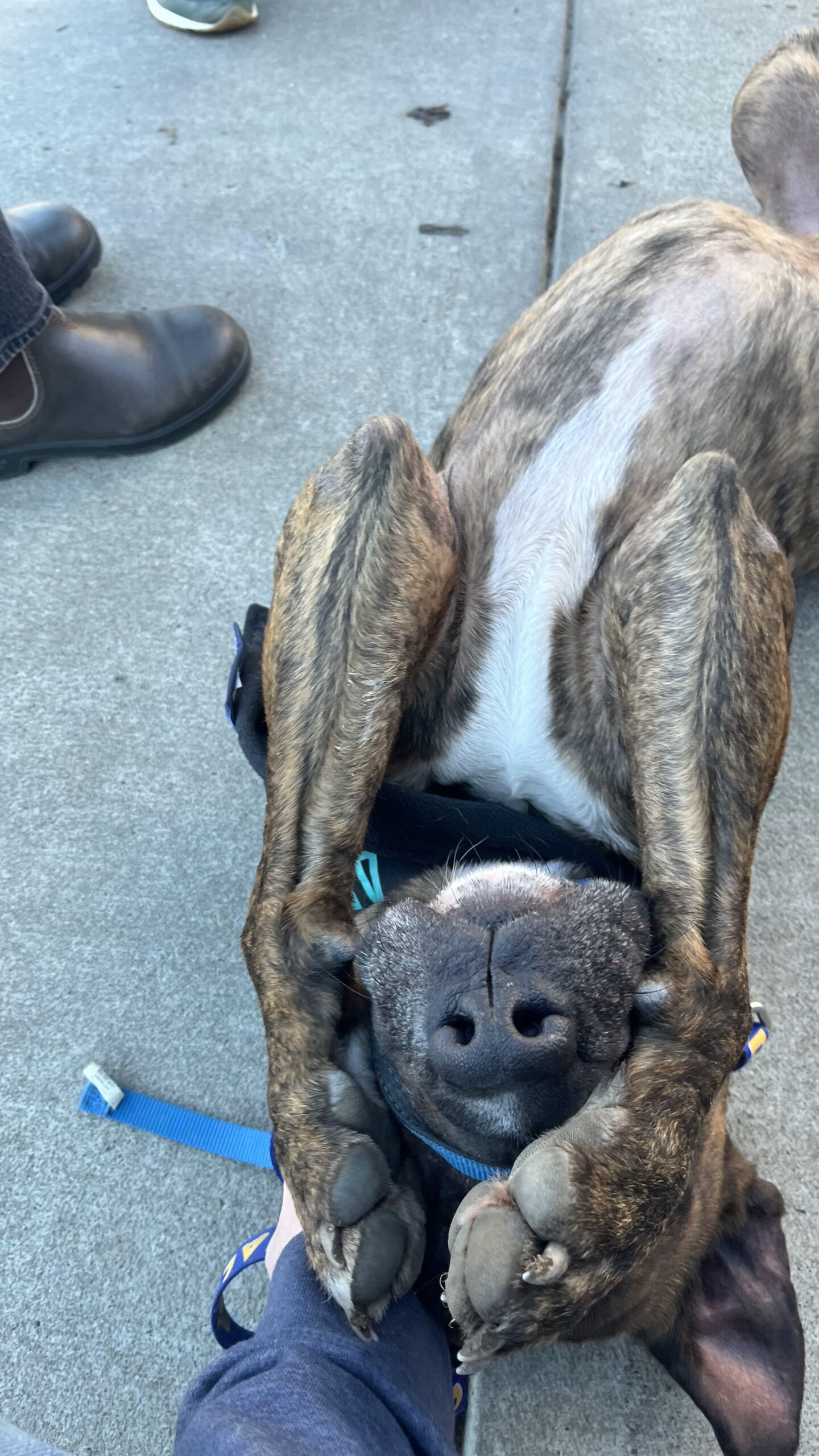
Dogs who’ve been confined to kennels for weeks may pull hard on leash during their brief moments of freedom. Dogs who receive limited human interaction may jump enthusiastically at every person they see, treating each encounter like it might be their only chance for connection. Dogs experiencing high anxiety may bark, chew, or show other stress responses that look concerning in the moment, especially when shelters are managing capacity, making placement decisions quickly, and keeping safety as the top priority. It’s understandable that these stress responses get documented and factored into assessments because they are some of the only tools we have to help us make decisions.
The challenge, however, is distinguishing between what’s a stress response to the shelter environment and what’s likely to show up in a home, because labels assigned during a dog’s most stressful days can follow them through their entire shelter stay and shape how potential adopters see them.
What Helps: Supporting Dogs Where They Are
Small changes make a real difference in how dogs experience shelter life and how they present to potential adopters. Five to ten minutes of enrichment can reduce stress and shift how a dog shows up in the world. Mental stimulation, physical activity, and the ability to make choices all help dogs feel more settled, and when dogs experience less stress, staff can observe behavior that more closely reflects what adopters might see at home rather than what stress produces in a kennel.
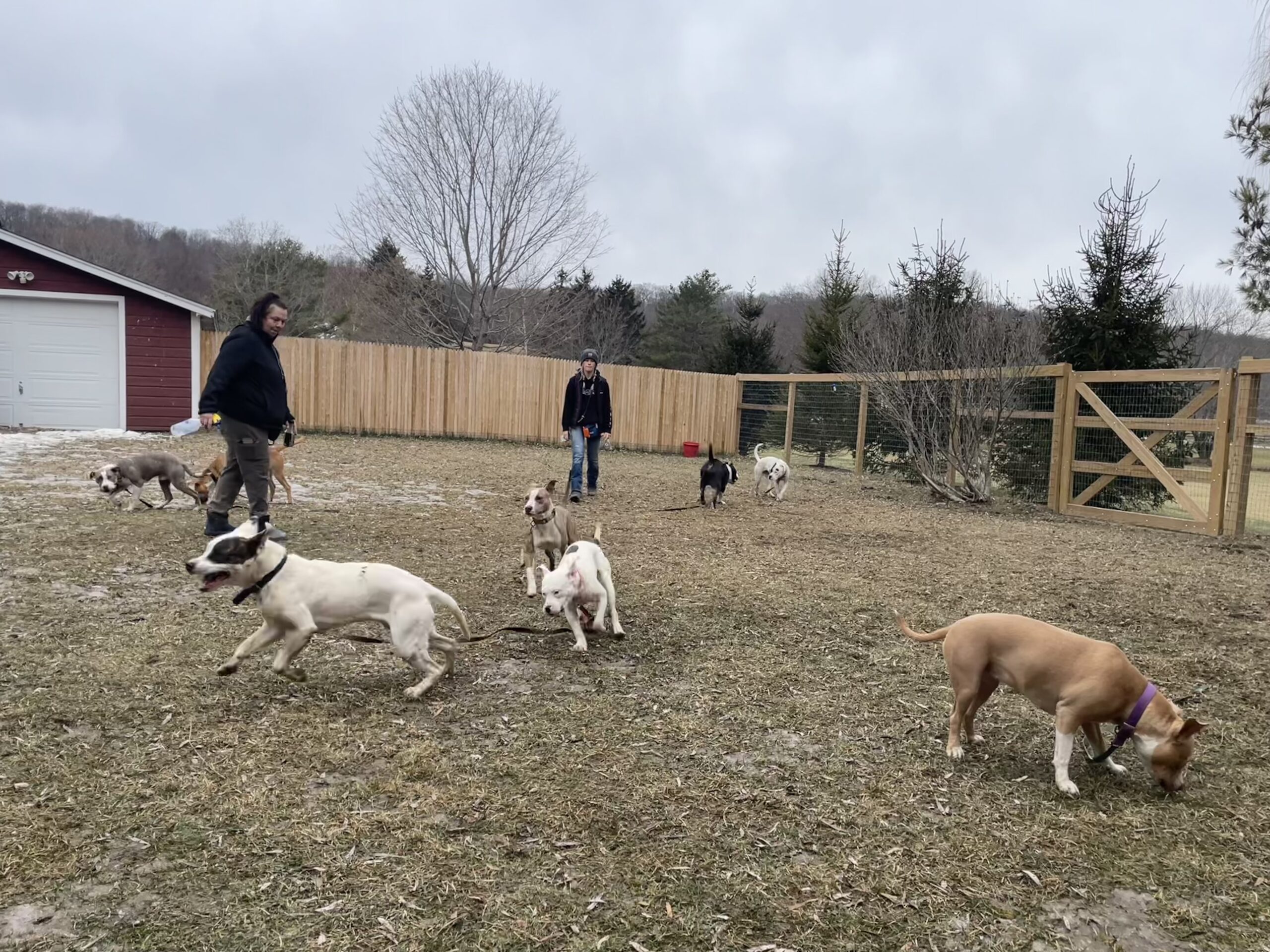
The enrichment and behavior protocols we’ve developed for shelters acknowledge that behavior change takes time. Real, meaningful progress often requires months of consistent work, not days or weeks, and management strategies matter just as much as training. Sometimes the most realistic goal isn’t eliminating a behavior entirely but building in safety measures and alternative responses that make life workable for both the dog and the people caring for them.
When shelters build in these approaches, several things become possible:
Marketing can focus on individual personalities and what dogs enjoy rather than leading with a list of challenges to manage. Adopters receive honest information about normal dog behaviors and realistic expectations for adjustment periods, which sets everyone up for success.
This doesn’t mean ignoring safety concerns or pretending genuine behavior challenges don’t exist. It means recognizing that a dog barking in a kennel, jumping when a volunteer approaches, or pulling on leash after limited exercise might show up very differently in a home with routine, space, and familiar faces; and that what we see in the shelter represents a moment in time, not a complete picture of who that dog is or could be.
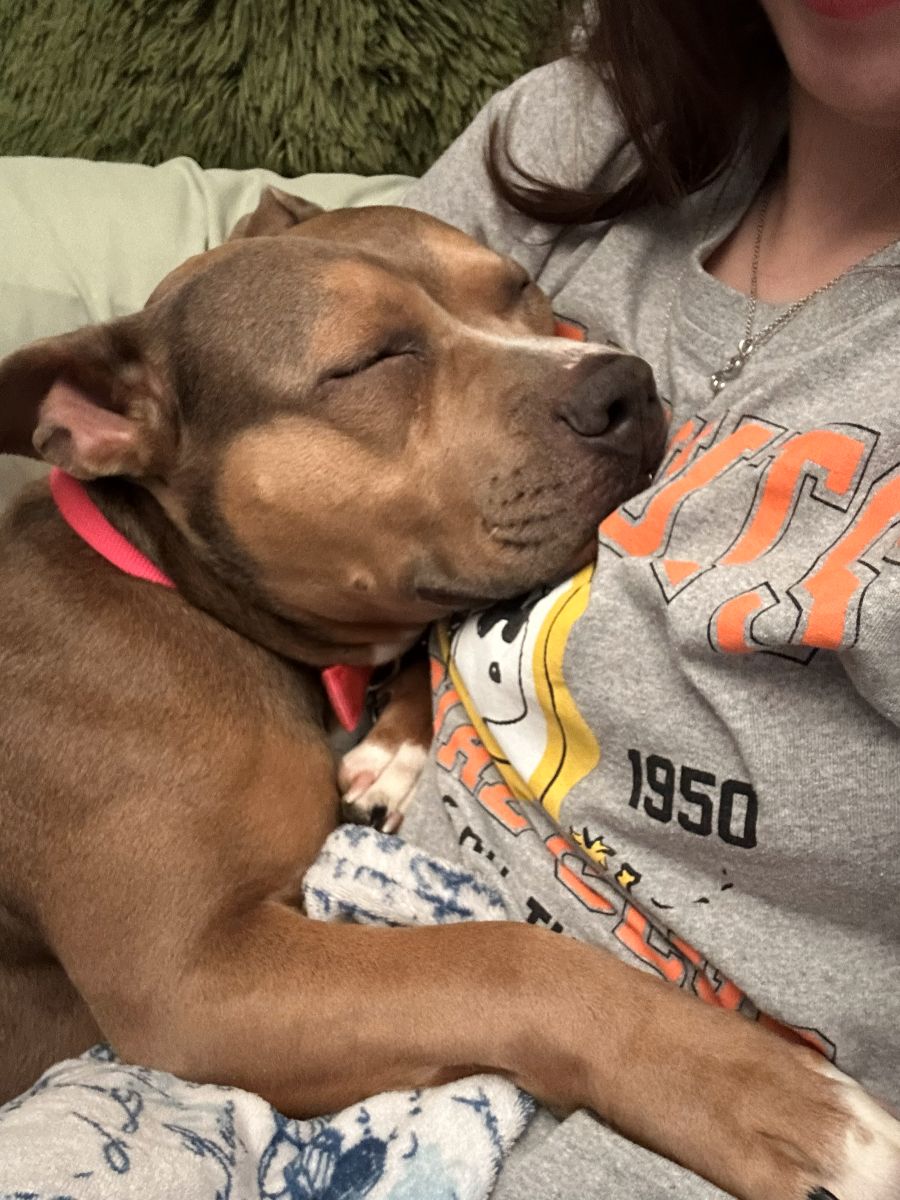
The question isn’t whether we can expect dogs to show perfect behavior in shelters. Of course we can’t, and that’s okay. The question is whether we’re creating conditions that let dogs show us more of who they could be with support and time.
