
A shelter, even a well-run one with dedicated staff and the most modern, thoughtful design, is still not home. Dogs living in shelters are adapting to an environment that’s fundamentally different from what most of them have known or will know again. New routines, new sounds, new people, other dogs nearby…It’s a lot to navigate, and while many dogs do remarkably well, there’s something different about watching a dog settle into a foster home. They sleep deeper and relax in ways they couldn’t before. You get to see who they actually are when they’re not working so hard to adjust.
Why Foster Homes Work
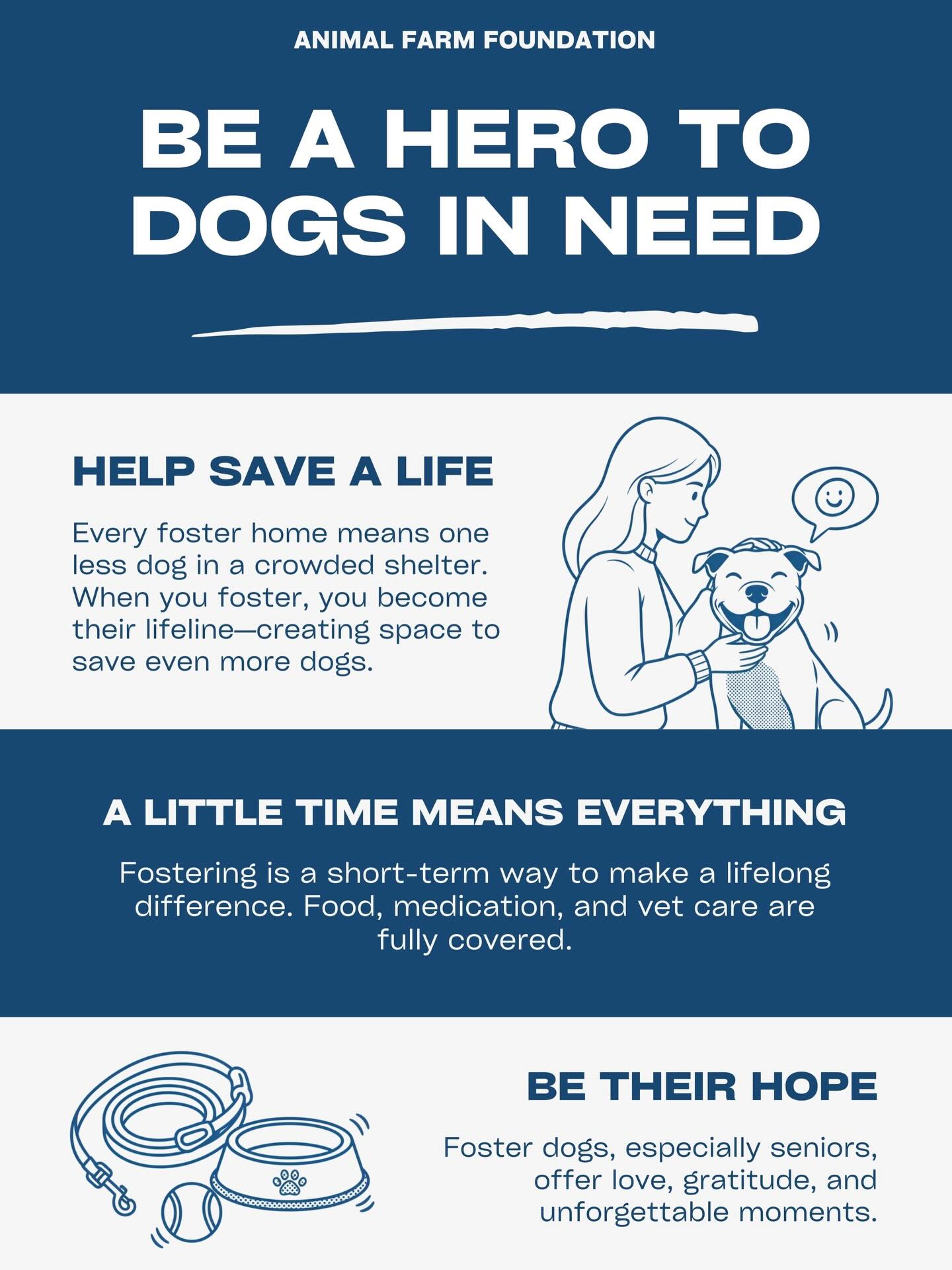
The math is pretty straightforward: foster homes open up physical space in shelters. One less kennel occupied means one more kennel available when the next dog arrives. For shelters managing difficult intake decisions every single day, that space can be the difference between being able to help an animal or having to turn them away.
But foster homes do something else that’s harder to quantify and just as important. They give dogs a chance to show who they really are. A dog living in a home can decompress in ways they simply can’t in a shelter environment. They stop reacting to every sound. They figure out the routine. They learn that when you leave, you come back. The dog who seemed shut down or anxious in the shelter starts to relax, and suddenly you can see their personality. That’s the dog potential adopters need to meet.
Foster families become the most effective advocates for their dogs because they know them. Not just from a behavioral assessment or a few kennel observations, but from living with them.
They can tell you if a dog settles quickly after a walk or needs more activity to feel content. They know if the dog is fine being left alone for a few hours or struggles with separation. They know what makes that particular dog happy and what situations are harder for them. When it comes time to find the right home, that kind of detailed, honest information leads to matches that actually work.
The Time Commitment Question
One of the biggest things that stops people from fostering is the assumption that it requires a months-long commitment. And sometimes it does. Some dogs stay in foster care for weeks or months while they wait for the right adopter, recover from medical treatment, or work through behavioral challenges. But plenty of foster placements are much shorter than that.
Some shelters need emergency foster homes for just a few days. Others are looking for people who can take a dog for a weekend when the shelter is closed or during a particularly busy intake period. The length of time varies based on what the shelter needs and what works for your life. Some people foster one dog at a time and wait between placements. Others are comfortable fostering multiple dogs or taking the next one as soon as the previous foster gets adopted. Some families foster regularly, building it into their routine; and others step in occasionally when they have the time and space. There’s flexibility in how you participate.
The Dogs Who Need It Most
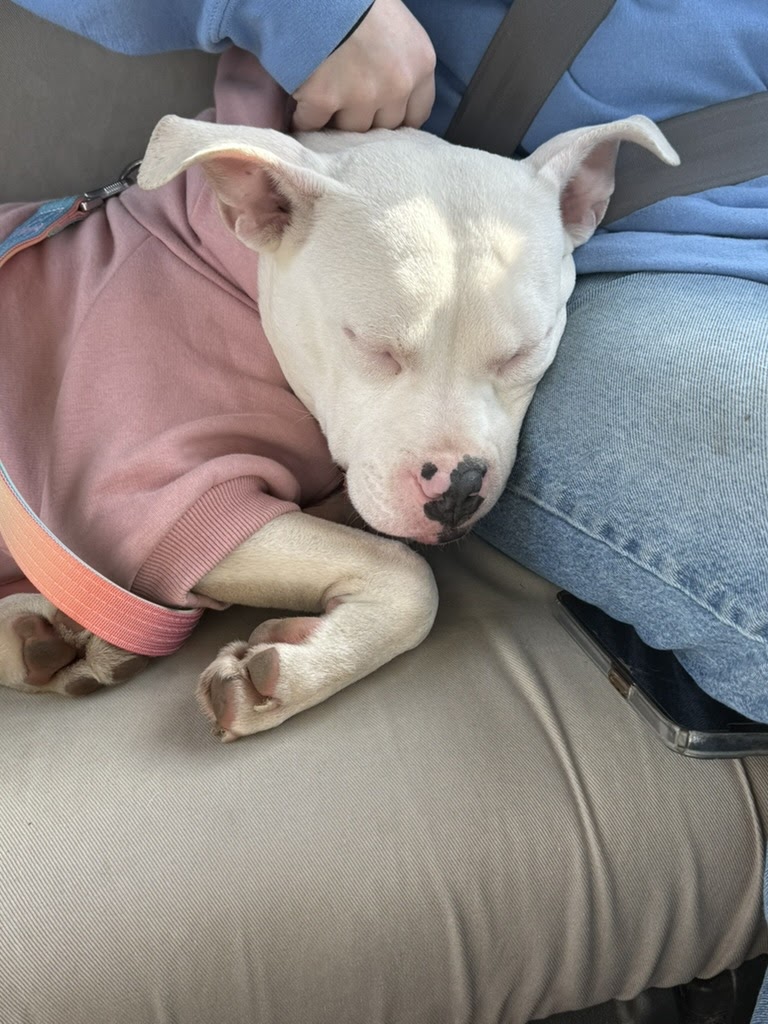
While every dog benefits from time in a foster home, some need it more urgently than others. Dogs who are struggling with kennel life often do better once they’re in a quieter, more predictable environment. The dog who was shutting down, pacing, or showing signs of stress in the shelter might settle within days of being in a home. It’s not that the shelter was doing anything wrong. It’s that some dogs simply do better in a home setting, and what looked like a behavioral concern turns out to be about environment and individual needs rather than something more fixed.
Senior dogs often benefit from foster care in particular. They may have a harder time with the activity and noise level of shelter life, and they can struggle to show potential adopters who they really are in that environment. In a foster home, seniors have space to be themselves. They’re often housetrained, past the high-energy puppy phase, and genuinely appreciative of a comfortable place to be. Foster families who take in senior dogs frequently talk about how rewarding the experience is, even when they know the time together might be shorter than it would be with a younger dog.
Similarly, dogs recovering from medical procedures or managing health conditions also often need foster homes, in this case to heal properly. A dog coming out of surgery or recovering from illness needs rest and quiet monitoring, not the activity and stress of a kennel. Foster homes make this kind of individualized medical care possible, giving dogs the space to recover and giving shelters the flexibility to provide necessary treatment.
What Foster Families Experience
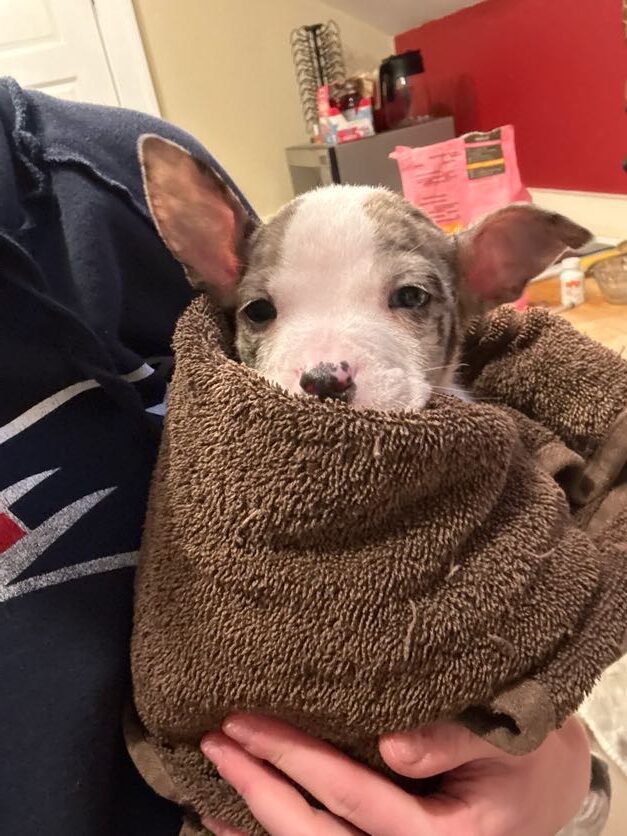
Most people who foster will tell you they get more out of it than they expected. Watching a dog go from uncertain to comfortable over days or weeks, seeing their personality come out as they relax, being part of that process matters. Yes, saying goodbye can be hard, but it’s worth it to help get that dog to their next step.
The relationship you build with a foster dog is real and lasting, even when it’s temporary. You’re not just providing a place for them to wait. You’re giving them something that changes what happens next for them. For dogs who have been in a shelter for months, or who came from difficult situations, that time in a foster home can make the difference in whether they’re ready for adoption and what that transition looks like.
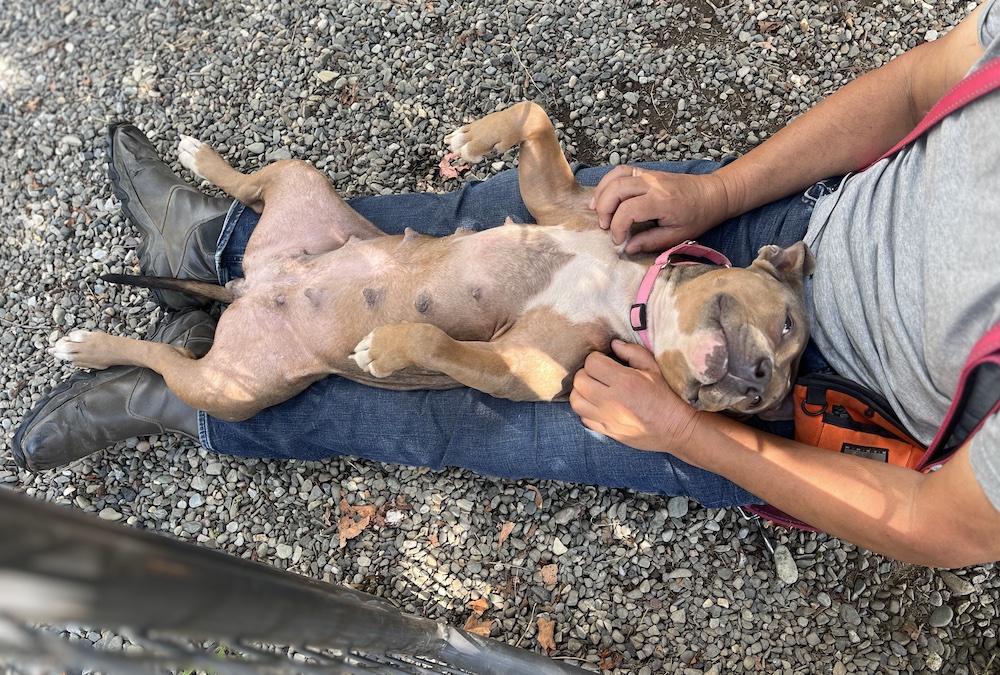
Some foster families do end up adopting their foster dogs, but many more foster families find their fulfillment in being part of multiple dogs’ stories rather than just one. They want to help as many dogs as they can. They like seeing those happy endings multiply and can appreciate knowing they’re making a consistent, ongoing difference in their community rather than a single moment of impact.
How to Get Started
If you’re considering fostering, start by reaching out to a shelter or rescue organization in your area (hint: you can learn about fostering for AFF right here!).
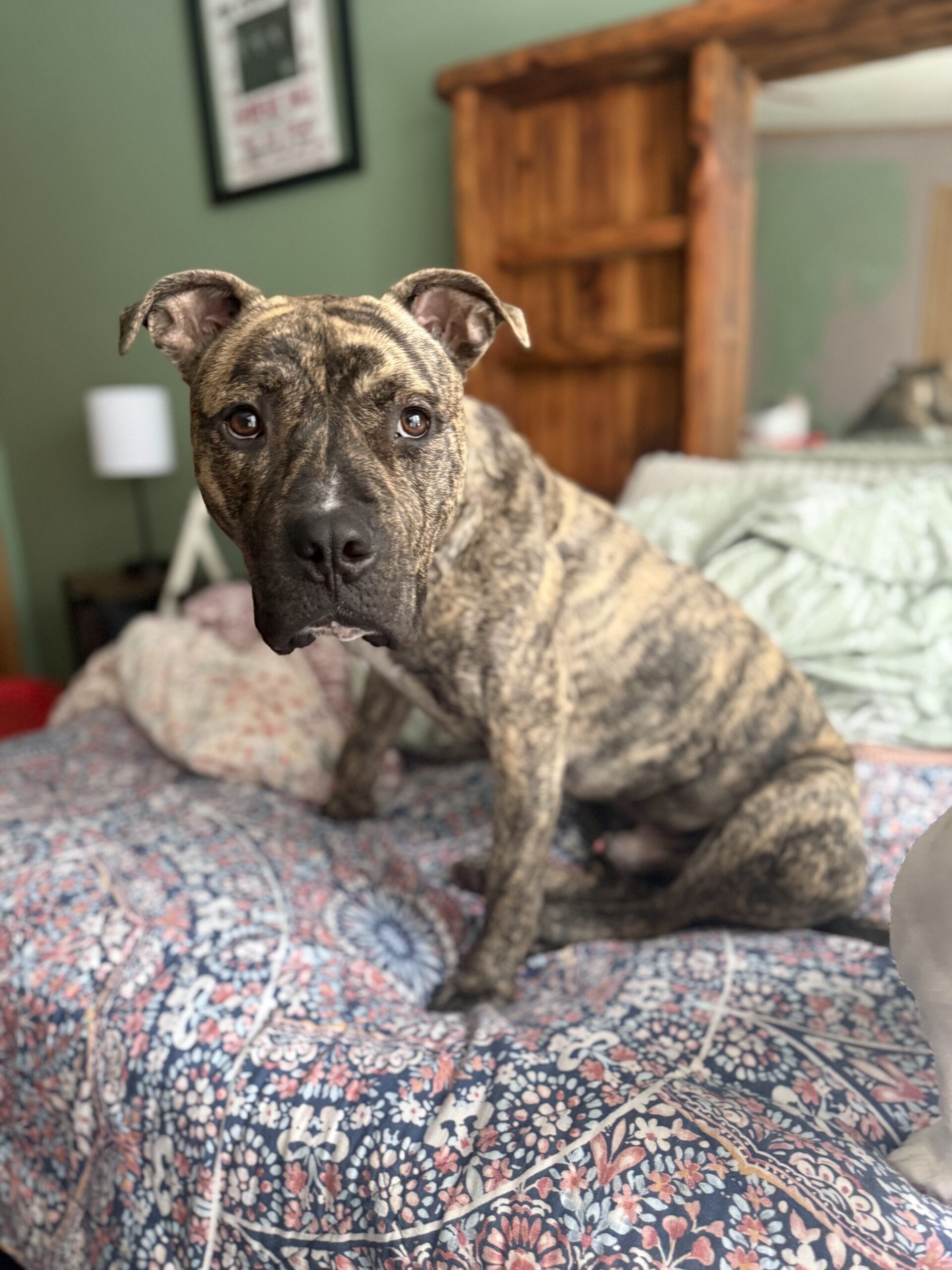
Most have established foster programs and can answer your questions about what they need, what the process looks like, and what kind of support they provide to foster families.
Most organizations provide some form of training or orientation for new foster families, plus ongoing support once you’re fostering (including food, supplies, etc). You’re not expected to have all the answers or handle everything on your own. If questions come up or you’re concerned about something, shelter staff are available to help. One of the best parts about fostering is that you’re part of a team working toward the same goal: getting dogs to homes where they can thrive.
Why it Matters Right Now
Shelters are relying on foster networks more than ever. The capacity challenges many organizations are facing are real, and foster families make it possible to continue helping animals even when physical space is limited. Every foster home that opens up creates room for another dog who needs it and creates a cycle of positive impact on multiple animals.
Remember, you don’t need special expertise or experience to foster. You need to be willing to open your home for whatever length of time works for you and give a dog space to be themselves while they’re waiting for what comes next. That’s what makes a true difference!