In the quiet fields of Stanfordville, Animal Farm Foundation tries to keep families whole.
Late fall does something dreamlike to the landscape in Stanfordville. The hills flatten into soft brushstrokes, the light turns reflective, and the cold begins to sharpen in a way that makes the world feel both fragile and clarified. Even the cows seem to move more slowly across the pasture. Somewhere, a dog barks—one of those long-distance calls that echoes not just across land but across circumstance, the kind that lingers like a question without an obvious answer.
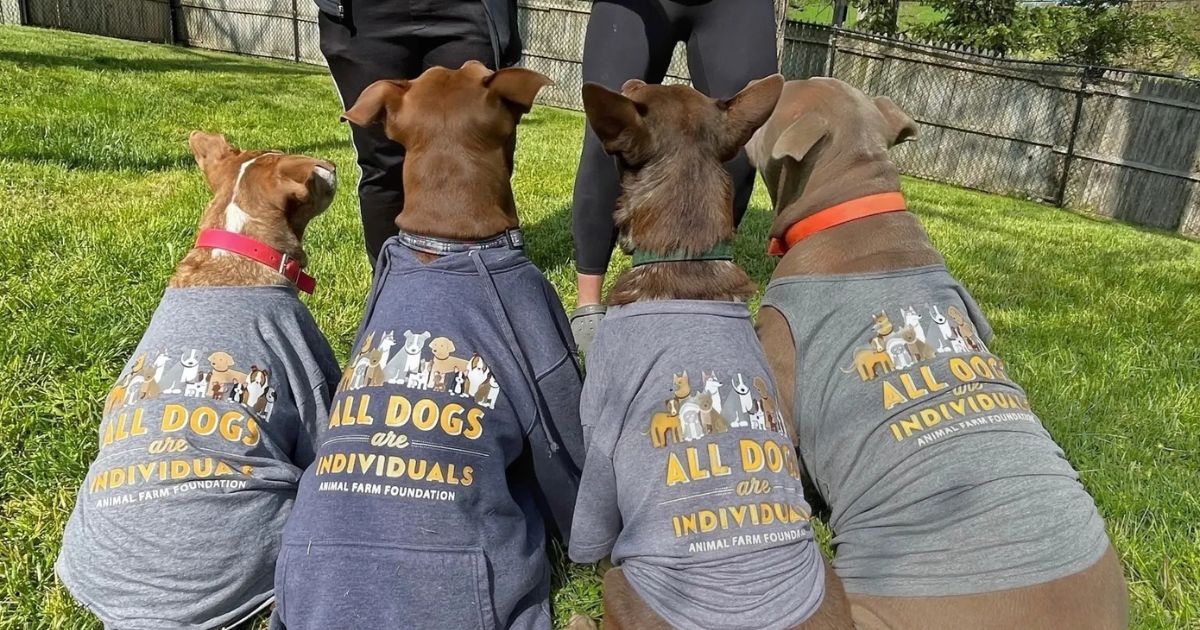
This is Animal Farm Foundation. Over four decades, AFF has grown from a small advocacy effort into a national, multi-pronged organization focused on animal well-being, mutual aid, and building communities where families and their pets can stay together. Founded in the 1980s as a response to fear-driven narratives about so-called “pit bull dogs,” AFF has evolved into a broad mission of equity—supporting shelters, stocking local food pantries, and providing education rooted in science-based information on animal behavior and public policy. Guided by the principle that all dogs are individuals, AFF delivers regional and national initiatives that meet the evolving needs of dogs and their communities. At its core, the organization operates on a simple truth: keeping pets with their families isn’t just an animal issue—it’s a social one.
The farm itself, acres of rolling pasture and woods, feels less like a facility and more like an interlude, a pause in the unraveling of lives. It’s a holding space for stories interrupted by today’s crises: eviction, deportation, the tragic rise of rent, surging food insecurity, and holidays looming like an unwanted deadline.
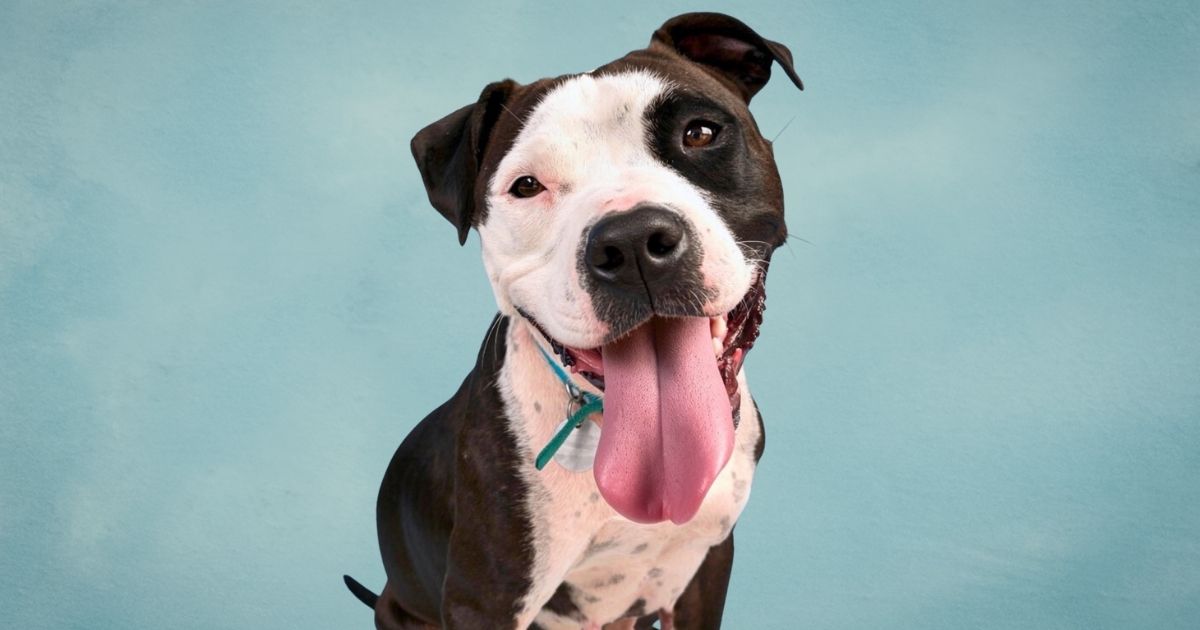
And then there is Mary, who is small and soft and heartbreakingly earnest in the way dogs are when they’re trying to be brave. She arrived after her owner was abruptly deported; there was no warning, no gentle transition. A nephew delivered her to Palm Beach Animal Care and Control, crying while he filled out her intake forms. “She’s a really good dog,” he kept saying, as though this fact might change something. No one contradicted him.
Mary knew none of the policies or paperwork behind the loss. What she understood was absence. Unfamiliar voices. No smells of home. She scanned every face looking for her person.
But Mary’s story is no longer unusual; unfortunately, it’s become all too common.
Families already stretched past their limits—by inflation, stagnant wages, soaring rent, seasonal layoffs, and in many immigrant communities, increased ICE activity—find themselves unable to make ends meet. Suddenly, the dog that they have loved for years becomes one more thing they can no longer afford.
At Willow Roots Inc., a community nonprofit in the Hudson Valley, Lisa, its founder, recently watched a close friend relinquish two dogs—one of them a therapy dog—after her modest rent jumped to an unpayable number. “If people are having trouble feeding themselves, they’re probably unable to feed their pets too,” she said, her voice heavy with a story that’s unfortunately all too common.
And the consequences ripple outward. When one family loses a pet, the shelter absorbs the grief. When shelters overflow, the burden shifts to temporary holding spaces, rescues, fosters. Eventually, the system buckles, and staff face decisions that feel ethically impossible: euthanizing animals not because of behavior or lack of love, but simply because space has become a finite resource.
In response, Animal Farm Foundation launched its Family Food Pantry Program, stocking pet food at eleven local pantries throughout the Hudson Valley—more than $171,824.03 worth to date. That number tells one story. The unseen statistic—the more human one—is how many families stayed intact because kibble did not need to become a line item in an already untenable budget.
The act of picking up pet food from a pantry often brings an immediate relief—the realization that surrendering a beloved animal may no longer be necessary. In that moment, the heaviness fades, giving people room to breathe—and to believe things might get better. Hope is a lifeline.
You begin to understand that mutual aid is not an abstraction. This is community care, and community care means keeping families together, however you define family.
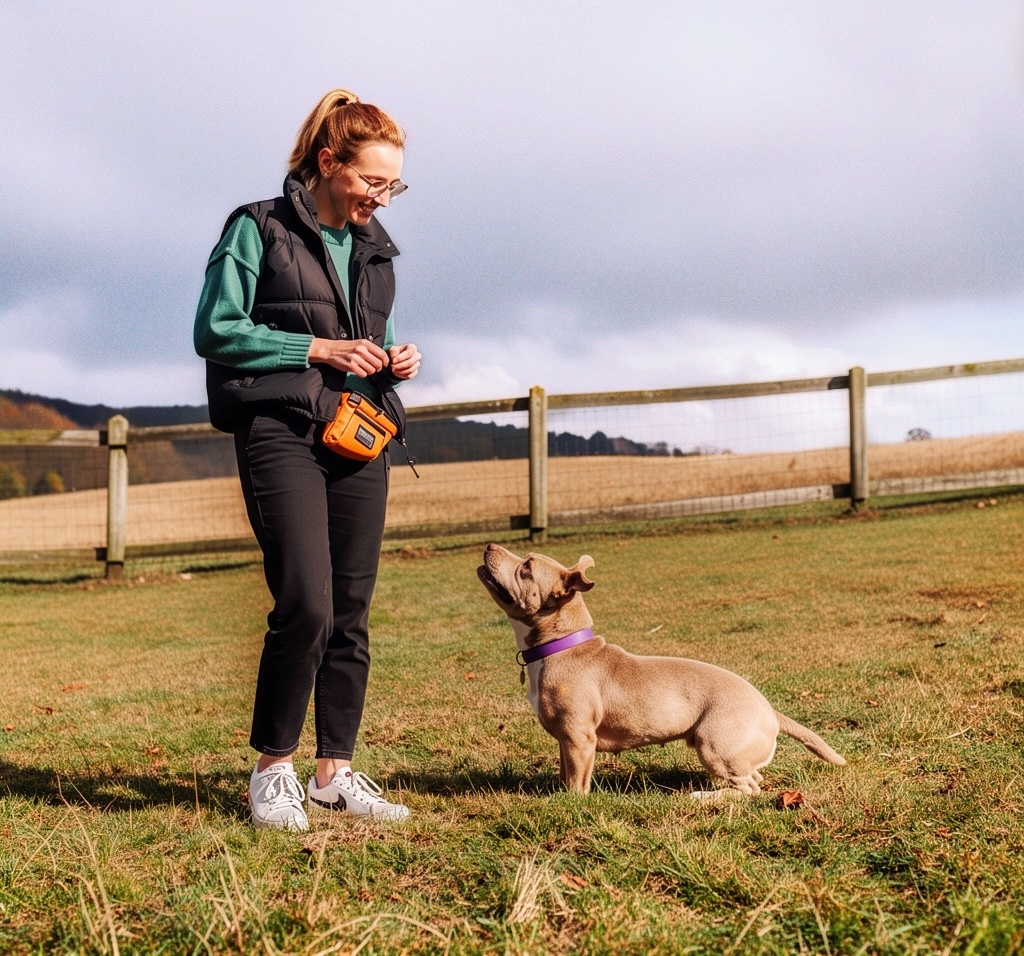
Later, I find Mary again. She sees me and breaks into a full sprint—the kind of unselfconscious run that reads as pure optimism, as if her body remembers hope before her mind does. Despite everything she’s been through, Mary still carries hope and an infinite capacity for love, a glimmer of hope in dark times.
But hope doesn’t arrive fully formed. It accumulates slowly, coaxed by patience, nourished by the belief that every living being deserves a life that doesn’t break under the weight of circumstance. On these acres, hope has the luxury of room.
Maybe that is the farm’s quiet architecture: not the pastoral beauty or the picturesque livestock, but the insistence that families should not fracture because rent rose; that dogs should not die because work hours were cut two weeks before Christmas; that grief should not be produced by policy.
This holiday season, maybe hope can be as simple as bags of food stacked quietly on pantry shelves —waiting, quietly, for the moment someone chooses love over logistics and discovers, miraculously, that they can.